
Navigating Community Outings for Individuals with Autism
Community based ABA therapy offering real life ABA through autism community outings. Build independence with skill generalization in natural environments. Get started today.

Key Points:
- Community based ABA helps individuals with autism practice real-world skills through structured autism community outings, building independence and confidence.
- Real life ABA uses strategies like task analysis, visual supports, and reinforcement to promote generalization in natural environments for everyday success.
- Regular community outings provide opportunities to develop social, communication, and life skills, reducing anxiety and supporting meaningful participation in society.

How Community-Based ABA Supports Real-Life Success
Community outings can be overwhelming for many autistic individuals, yet they are essential for building independence, confidence, and real-world skills.
Understanding the challenges, and how community-based ABA and real-life ABA approaches support success, can make these experiences more positive and meaningful for individuals and their caregivers.
Why Autism Community Outings Can Be Stressful
Public spaces are often unpredictable and overstimulating, especially when compared to the structured and familiar environment of home or a therapy setting. For autistic individuals, this unpredictability can lead to anxiety, meltdowns, or shutdowns.
Sensory Overload in Public Spaces
Sensory sensitivities are one of the most common challenges during autism community outings.
- Noise: Loud announcements, traffic, crying children, and background chatter can quickly become overwhelming.
- Lights: Bright sunlight or flickering fluorescent lights may cause discomfort or distress.
- Crowds: Close proximity to others and unpredictable movement can feel unsafe or chaotic.
- Smells and Textures: Strong odors, unfamiliar foods, or uncomfortable textures can add to sensory overload.
Social and Communication Challenges
Public spaces are filled with unwritten social rules that can be difficult to interpret.
- Unspoken Expectations: Understanding personal space, waiting in line, or social norms may be confusing.
- Unexpected Interactions: Strangers initiating conversation or offering help can increase anxiety.
- Group Dynamics: Turn-taking, sharing, or cooperating in group settings may require extra support.
These challenges often contribute to social fatigue during real-life experiences.
Difficulty with Transitions and Changes in Routine
Autistic individuals often thrive on predictability, making transitions particularly challenging.
- Unpredictability: New environments disrupt routines and expectations.
- Sudden Changes: A canceled activity or unexpected delay can trigger emotional distress or meltdowns.
Planning and preparation are key components of successful real life ABA interventions.
Safety and Caregiver Concerns
Caregivers often experience additional stress during outings.
- Wandering Risks: Busy environments increase safety concerns.
- Compliance Challenges: Waiting, following rules, or tolerating hygiene routines may be difficult.
- Fear of Judgment: Caregivers may worry about negative reactions from others during moments of distress.
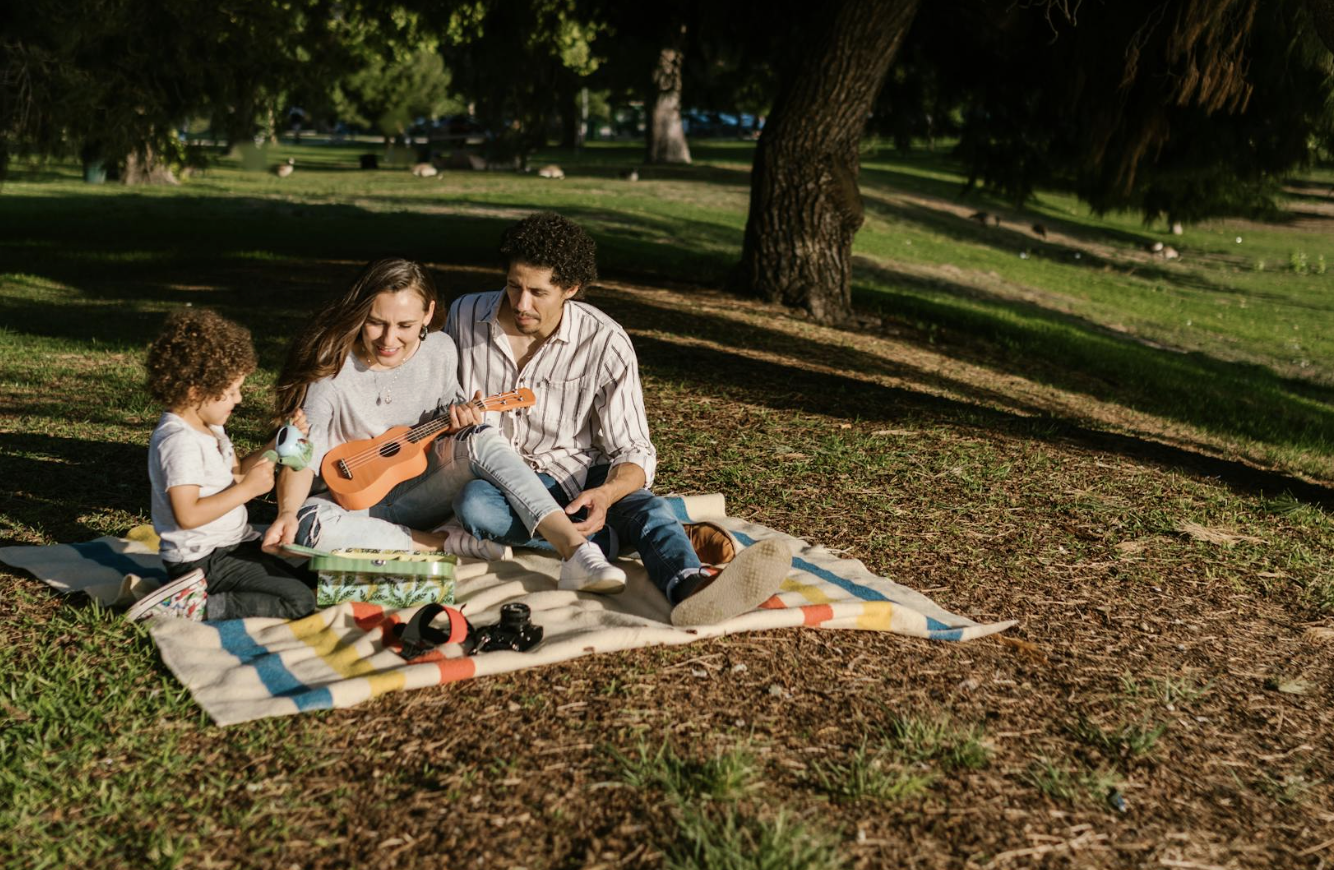
Why Community Integration Matters
Despite these challenges, community integration is vital for long-term well-being.
Benefits of Community Participation
Engaging in autism community outings supports:
- Improved Mental Health: Reduced isolation, increased confidence, and greater life satisfaction.
- Skill Development: Opportunities to practice communication, social interaction, and daily living skills.
- Sense of Belonging: Feeling valued and included in society.
- Increased Independence: Participation in work, volunteering, and community activities.
- Reduced Stigma: Positive exposure fosters understanding and acceptance within the broader community.
Community inclusion benefits both autistic individuals and society as a whole.
Signs Someone Is Struggling During Community Outings
Recognizing early signs of distress can help prevent escalation.
Common Indicators
- Increased anxiety, agitation, or withdrawal
- Meltdowns or shutdowns
- Avoidance or attempts to leave
- Increased stimming behaviors
- Sensory avoidance (covering ears, avoiding lights)
- Communication breakdowns or social fatigue
Providing accommodations, such as quiet breaks, headphones, or leaving early, can make outings more manageable.

How Community-Based ABA Supports Real-Life Learning
Community based ABA turns everyday activities into meaningful learning opportunities by focusing on generalization in natural environments, the ability to apply learned skills outside of therapy sessions.
Key ABA Strategies for Community Outings
- Skill Generalization: Applying skills across people, places, and situations.
- Natural Environment Teaching (NET): Teaching skills within authentic, real-world contexts.
- Task Analysis: Breaking complex activities into manageable steps.
- Visual Supports: Using schedules, picture cues, and social stories.
- Positive Reinforcement: Encouraging success with praise or rewards.
- Modeling and Prompting: Demonstrating and guiding appropriate behaviors.
- Gradual Exposure: Starting with familiar settings and increasing complexity over time.
These strategies ensure skills are functional, meaningful, and transferable.
The Importance of Generalization in Natural Environments
Generalization is a core goal of real life ABA. Without it, skills may remain “stuck” in the clinic.
Strategies That Promote Generalization
- Teaching skills across multiple settings
- Practicing with different people
- Using real materials and real situations
- Incorporating social stories and role-play
- Conducting training in the exact environment where the skill is needed
By prioritizing generalization in natural environments, ABA becomes more effective and empowering.
Examples of Real-Life ABA in Action
Grocery Store Outing
Preparation at Home
- Visual schedule: Enter store → Find items → Pay → Leave
- Role-play asking for items and using money
During the Outing
- Practice greetings with staff
- Ask for help locating items
- Wait in line and complete payment
Skills Targeted
- Communication
- Independence
- Social interaction
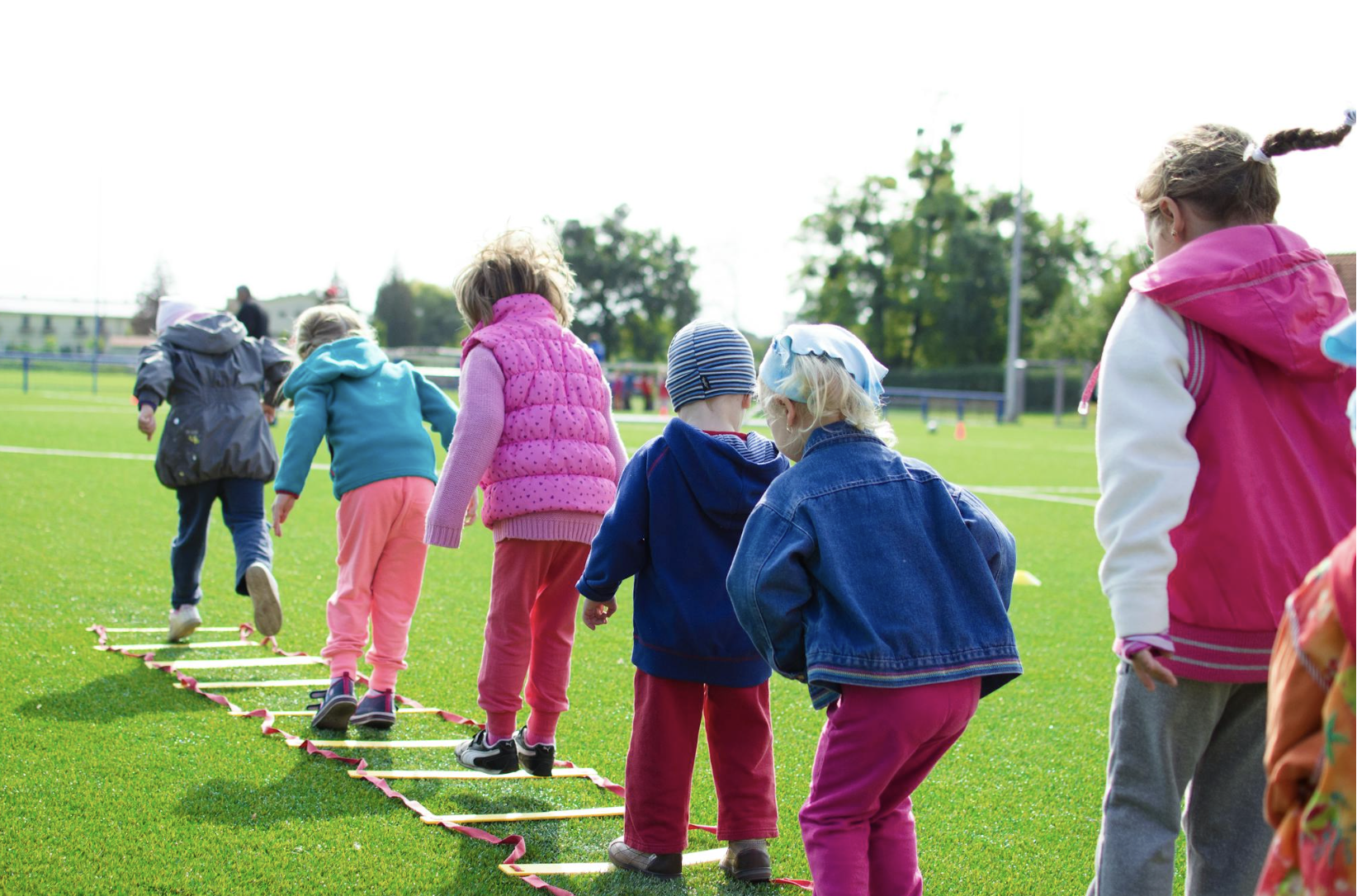
Park or Playground
- Practicing turn-taking on equipment
- Asking peers to join play
- Sharing toys and waiting patiently
Restaurant or Library
- Greeting staff
- Ordering food or requesting a book
- Waiting calmly and saying “thank you”
Each outing reinforces generalization in natural environments, ensuring skills are not limited to the therapy setting.
Supporting Success Through Community-Based ABA
With thoughtful planning, supportive strategies, and individualized accommodations, autism community outings can transform from overwhelming experiences into powerful learning opportunities.
Community based ABA helps individuals build independence, confidence, and meaningful participation in the world around them.
For expert guidance on navigating community outings and implementing real life ABA strategies, contact the professionals at Grateful Care to get started.
FAQ’s
- What is community based ABA therapy?
Community based ABA is therapy provided in real-world settings such as stores, parks, libraries, and restaurants. It helps individuals with autism practice functional skills where they are actually used, improving independence and confidence in everyday life.
- How does real life ABA differ from clinic-based therapy?
Real life ABA focuses on teaching skills during daily activities instead of only in a clinic. This approach supports generalization in natural environments, making it easier for individuals to use learned skills at home and in the community.
- Why are autism community outings important in ABA therapy?
Autism community outings allow individuals to practice communication, social skills, and independence in real situations. These outings help reduce anxiety, increase confidence, and prepare individuals for real-world experiences.
- What skills are taught during community based ABA outings?
Community based ABA targets skills such as waiting in line, asking for help, following directions, handling money, and interacting appropriately with others—all essential life skills needed for independence.
- How does ABA help with generalization in natural environments?
ABA therapists intentionally teach and practice skills across different settings, people, and situations. This structured approach ensures generalization in natural environments so skills are not limited to the therapy room.
- Is community based ABA appropriate for all ages?
Yes. Community based ABA and real life ABA strategies can be adapted for children, teens, and young adults, depending on individual goals, needs, and readiness for autism community outings.
- How are community outings prepared and supported?
Therapists use visual schedules, social stories, task analysis, and positive reinforcement to prepare individuals for autism community outings and support success during each visit.
- Can community based ABA reduce meltdowns in public?
Yes. By gradually exposing individuals to real-world environments and teaching coping and communication skills, community based ABA can help reduce anxiety, meltdowns, and shutdowns over time.
- How do I get started with community based ABA services?
Getting started is easy. Contact our team to schedule an assessment and learn how our real life ABA programs support independence through structured autism community outings and generalization in natural environments.
Apply Now
At Grateful Care ABA, we are proud to offer the best ABA therapy services in Indiana. Armed with a team of skilled Board Certified Behavior Analysts (BCBAs), we bring years of experience to the table, making us the preferred provider for ABA therapy in our community.
Understanding that every child with ASD is unique and has unique goals and objectives, our ABA therapists carefully craft personalized ABA therapy plans that are tailored to meet the specific needs of each child. Whether your child needs help with reducing maladaptive behaviors, your child needs IEP support at school, you want your child to be self-sufficient at home, or something else, we use ABA therapy to work diligently toward specific goals. Together we can make a difference in your child’s life!
Contact us today to connect with an ABA therapist and learn more about ABA therapy solutions for your child.






















.jpg)
.jpg)








.jpg)
.jpg)





.jpg)
.jpg)
.jpg)

.jpg)
.jpg)
.jpg)
.jpg)
.jpg)
.jpg)
.jpg)












Contact