
Understanding Life Transitions in Autism: How ABA Therapy Supports Big Changes
Learn how ABA for life changes supports autistic children during transitions autism, including moving house autism and new sibling autism, using structured strategies to reduce anxiety and build confidence.

Key Points:
- Transitions autism can be overwhelming due to uncertainty, sensory changes, and routine disruptions, but understanding these challenges helps caregivers provide better support.
- ABA for life changes helps autistic children build predictability, communication, and coping skills during major transitions like moving house autism or family changes.
- Structured ABA strategies such as visual supports, social stories, and positive reinforcement improve confidence and reduce anxiety during new sibling autism and other life transitions.

Why Life Transitions Are Difficult for Autistic Children
Research shows that big life changes can be especially challenging and stressful for autistic children.
Transitions such as moving house, welcoming a new sibling, or major family changes often involve uncertainty, new environments, and disrupted routines.
These difficulties are rooted in neurological differences, not stubbornness or defiance. Understanding why transitions are hard is the first step toward providing meaningful support.
This article explores why life transitions are difficult for autistic children, how ABA therapy can help, and practical ABA strategies for major life changes.
The Need for Predictability and Routine
Many autistic individuals rely on consistent routines to feel safe and regulated. During major transitions, routines change or disappear entirely. This loss of predictability can significantly increase anxiety and emotional distress, especially during major transitions in autism such as moving or family changes.
Intolerance of Uncertainty (IU)
Research shows autistic individuals often experience higher levels of intolerance of uncertainty. Big life changes are filled with unknowns, new places, people, sounds, and expectations, which can trigger avoidance, anxiety, or emotional shutdowns.
Executive Functioning Challenges
Executive functioning skills include planning, organizing, shifting attention, and adapting to change.
Life transitions demand heavy use of these skills. Tasks like packing, learning new routines, or adjusting to different rules can feel overwhelming and exhausting.
Sensory Processing Differences
New environments often come with unfamiliar sensory input such as different noises, lighting, smells, or textures. For autistic children, these sensory changes can lead to overload, meltdowns, or withdrawal, particularly during events like moving house with autism.
Communication and Social Challenges
Transitions often involve new social expectations and unfamiliar interactions. Difficulty understanding unspoken rules or expressing discomfort can increase frustration and isolation during times of change.
Monotropic Focus and Autistic Inertia
Autistic individuals may focus deeply on one activity or routine at a time. Interrupting or switching tasks before something feels “complete” can be disorienting and distressing, making transitions feel abrupt and unsafe.
Signs an Autistic Person Is Stressed During Major Life Transitions
During transitions autism, such as moving house autism or new sibling autism, stress often shows up as changes in behavior and functioning due to disrupted routines and overwhelming demands (not typical emotional distress).
Common Signs
- Social withdrawal and reduced interest in usual activities
- Increased stimming (rocking, hand-flapping, repeating words) to self-regulate
- Meltdowns or shutdowns from overload (outward outbursts or going quiet/nonverbal)
- Emotional dysregulation, anxiety, or low mood
- Demand avoidance, even for preferred tasks
Functional & Physical Changes
- Loss of previously managed skills (speech, executive function, daily living), often called autistic burnout
- Chronic fatigue and low energy
- Heightened sensory sensitivities (noise, light, textures)
- Sleep or eating changes and stress-related physical symptoms
Communication Changes
- Slower processing, situational mutism, or repetitive questioning for reassurance. Selective mutism is an anxiety-related difficulty speaking in certain situations, even though the person can speak comfortably in familiar environments. It’s often triggered by sensory overload or social pressure, causing the individual to feel physically unable to talk rather than unwilling. This can lead to “freezing” or going silent in overwhelming settings, such as school or around unfamiliar people.
Support during life changes can include predictability, reduced demands, clear communication, and tailored supports like ABA for life changes to build coping skills and ease transitions.

How ABA Therapy Helps with Life Transitions
ABA therapy for life changes focuses on building predictability, communication, and coping skills. Rather than forcing adaptation, ABA supports children by breaking changes into manageable steps and reinforcing success.
Key goals of ABA during life transitions include:
- Reducing anxiety and challenging behaviors
- Teaching functional communication
- Increasing flexibility and coping skills
- Supporting independence and confidence
ABA therapy is individualized, data-driven, and focuses on understanding why behaviors occur, especially during times of stress or change.
Core ABA Strategies for Big Life Changes
- Visual Supports and Schedules
Visual schedules, picture charts, and “First–Then” boards help children understand what is happening now and what comes next. This predictability reduces anxiety during transitions.
Example:
- First: Pack toys
- Then: Watch favorite show
2. Social Stories
Social Stories use simple language and visuals to explain upcoming changes, expected behaviors, and what will stay the same. They are especially helpful for preparing for unfamiliar experiences.
3. Gradual Exposure and Task Analysis
Big changes are broken into small, teachable steps. Each step is practiced gradually before moving forward, allowing children to build confidence at their own pace.
4. Functional Behavior Analysis (FBA)
FBA identifies the root cause of behaviors (e.g., sensory overload, escape, anxiety). This allows caregivers and therapists to address the underlying need rather than just the behavior.
5. Functional Communication Training (FCT)
Children are taught appropriate ways to express needs and emotions, such as using words, picture cards, or devices to say “I need a break” or “I feel overwhelmed.”
6. Positive Reinforcement
Effort and flexibility are rewarded with praise, tokens, or preferred activities. Reinforcement motivates children to practice new skills during difficult transitions.
7. Coping and Calming Skills
ABA teaches regulation strategies such as deep breathing, using timers, accessing quiet spaces, or engaging with sensory tools to manage stress.
8. Consistency Across Caregivers
When parents, teachers, and therapists use the same strategies and language, children feel safer and more secure during transitions.
ABA for Life Changes: Practical Examples
Moving House and Autism
Moving is one of the most challenging transitions for autistic children due to changes in environment, routine, and sensory input.
ABA strategies for moving house with autism include:
- Visual “Moving Day” schedules (pack, truck, drive, new house)
- Social Stories explaining the move and highlighting what stays the same
- Visiting the new home or neighborhood ahead of time
- Teaching phrases like “I need a break”
- Reinforcing calm behavior during packing and moving
New Sibling Transition and Autism
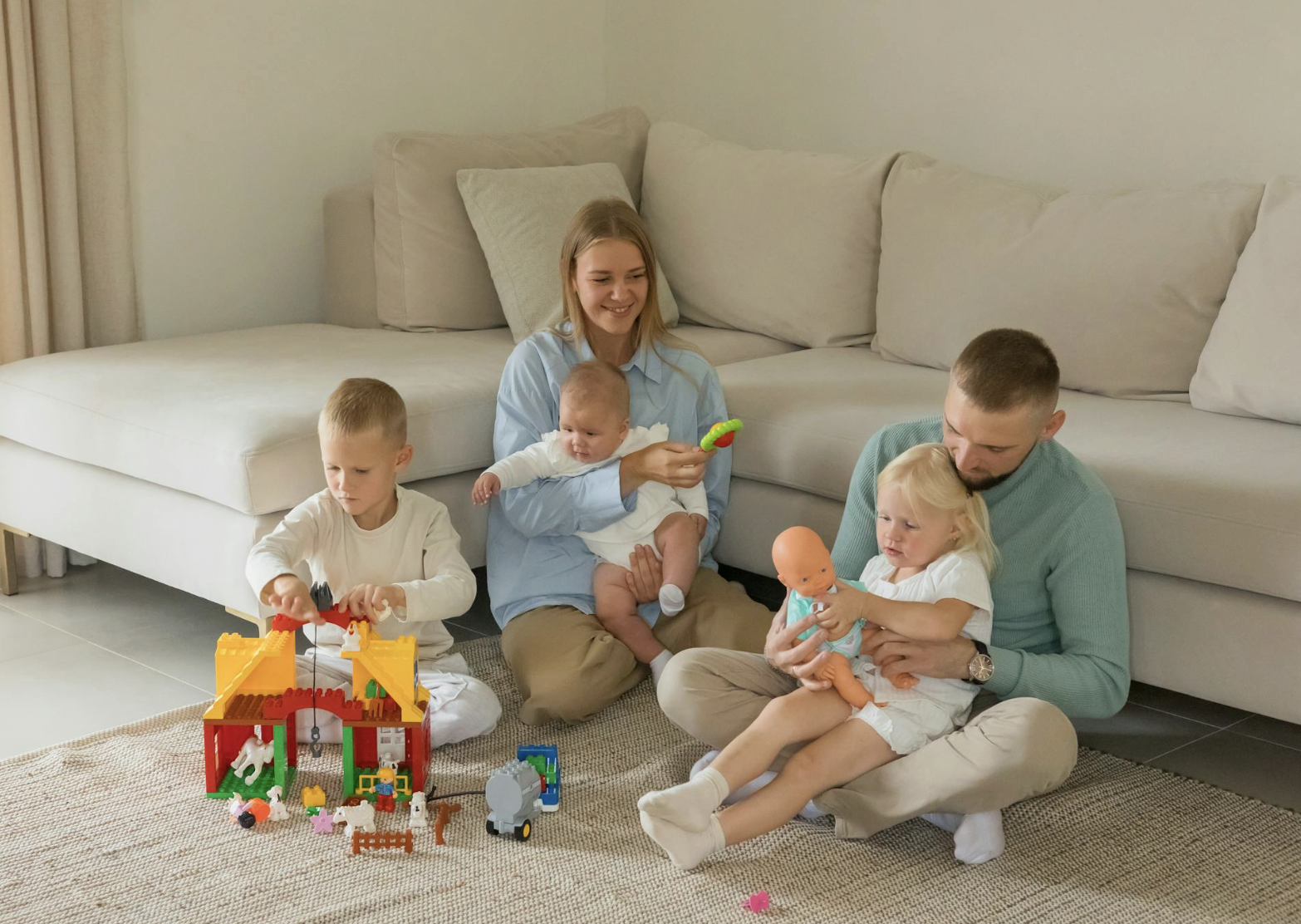
A new sibling transition in autism can be emotionally complex, involving changes in attention, routines, and sensory experiences.
Pre-Birth ABA Strategies
- Social Stories about babies and new routines
- Gradual exposure to baby sounds at low volume
- Role-playing with baby dolls to practice gentle behavior
Post-Birth ABA Strategies
- Positive reinforcement for gentle touch, waiting, or helping
- Token boards for sharing and cooperation
- Structured, cooperative play activities
- Including the older child in baby routines (fetching diapers, singing)
- Scheduled one-on-one time with caregivers
Example: If an older sibling shares a toy with the baby, they earn a token. When the board is full, both children earn a shared reward, reinforcing positive interaction.
Building Confidence Through Supportive Transitions
Life changes will always be part of growing up, but they do not have to be overwhelming. By understanding the challenges of transitions in autism and using structured, compassionate ABA therapy for life changes, children can build resilience, flexibility, and confidence.
With preparation, consistency, and individualized support, autistic children can successfully navigate major life transitions, whether that’s moving house, welcoming a new sibling, or adjusting to family changes, while feeling safe, understood, and empowered.
Prepare for transitions with experts at Grateful Care who will guide and support parents, caregivers, and kids with autism during any transition.
FAQ’s
1. What are transitions in autism?
Transitions autism refers to changes in routines or environments that can increase anxiety due to need for predictability and difficulty with uncertainty.
2. Why is moving house hard for autistic children?
Moving house autism challenges include disrupted routines, new sensory input, and increased executive functioning demands.
3. How does a new sibling affect an autistic child?
New sibling autism transitions can impact routines, attention, and sensory tolerance, often leading to stress without proper preparation.
4. How can ABA for life changes help autistic children?
ABA for life changes builds predictability, communication, and coping skills using structured, evidence-based strategies.
5. What ABA strategies support big life transitions?
ABA therapy uses visual schedules, social stories, gradual exposure, positive reinforcement, and functional communication training.
6. Can ABA therapy reduce anxiety during transitions?
Yes, ABA therapy helps life challenges by reducing anxiety, teaching coping skills, and reinforcing flexible behavior during major changes.
Apply Now
At Grateful Care ABA, we are proud to offer the best ABA therapy services in Indiana. Armed with a team of skilled Board Certified Behavior Analysts (BCBAs), we bring years of experience to the table, making us the preferred provider for ABA therapy in our community.
Understanding that every child with ASD is unique and has unique goals and objectives, our ABA therapists carefully craft personalized ABA therapy plans that are tailored to meet the specific needs of each child. Whether your child needs help with reducing maladaptive behaviors, your child needs IEP support at school, you want your child to be self-sufficient at home, or something else, we use ABA therapy to work diligently toward specific goals. Together we can make a difference in your child’s life!
Contact us today to connect with an ABA therapist and learn more about ABA therapy solutions for your child.

























.jpg)
.jpg)








.jpg)
.jpg)





.jpg)
.jpg)
.jpg)

.jpg)
.jpg)
.jpg)
.jpg)
.jpg)
.jpg)
.jpg)












Contact