
Understanding Emotional Awareness and Regulation in Autistic Individuals
Learn how interoception autism and emotional awareness affect individuals with autism. Discover how ABA emotional regulation strategies help autistic individuals manage emotions, reduce meltdowns, and build self-awareness.

Key Points:
- Challenges in Emotional Awareness: Autistic individuals often struggle with emotional awareness autism and recognizing feelings autism due to alexithymia, sensory overload, and differences in interoception.
- Role of Interoception: Interoception autism affects the ability to sense internal body signals, linking physical sensations like heart rate or tension to emotions, which impacts self-regulation.
- ABA Emotional Regulation Support: ABA emotional regulation strategies, including emotion charts, coping skills, and role-playing, help autistic individuals identify, manage, and express emotions effectively.

Why Autistic Individuals Struggle with Recognizing Feelings
Research shows autistic individuals often experience unique challenges in recognizing and managing emotions.
These challenges are not about a lack of feeling, but differences in brain processing, sensory perception, and interoception. Understanding these factors is key to supporting emotional development and overall well-being.
Differences in Information Processing
Autistic brains often process sensory and social information differently. Filtering out irrelevant stimuli can take longer, making it harder to focus on emotional cues. This can affect recognizing feelings autism, especially subtle emotions like sadness or frustration.
Alexithymia and Emotional Identification
Many autistic individuals experience alexithymia, a difficulty in identifying and describing their own emotions. Even intense emotions may feel confusing or unlabelled. Coupled with interoception autism challenges, difficulty sensing internal body signals like a racing heart, this can make emotional self-awareness extremely challenging.
Sensory Overload and Intense Emotions
Overwhelming sensory input from sights, sounds, or textures can make emotional processing harder, leading to intense emotional reactions such as meltdowns or shutdowns. These reactions are often a response to accumulated stress, not overreactions or lack of feeling.
Social Communication Differences
Autistic individuals may struggle with interpreting non-verbal cues such as facial expressions, tone of voice, and body language. This can affect emotional awareness autism, making it difficult to understand the emotions of others or respond appropriately in social situations.
Common Signs of Emotional Dysregulation in Autism
Emotional regulation challenges are common and can manifest in several ways:
- Intense Emotional Responses: Explosive reactions or delayed responses to everyday situations.
- Meltdowns & Shutdowns: Overwhelming emotions can lead to complete loss of control (meltdown) or withdrawal (shutdown).
- Heightened Sensory Sensitivity: Loud noises, bright lights, or crowded environments can trigger distress.
- Increased Stimming: Repetitive movements like rocking or hand-flapping help self-soothe.
- Difficulty Identifying Emotions: Challenges in labeling or communicating feelings clearly.
- Masking & Exhaustion: Suppressing emotions to fit in can cause fatigue and burnout.
These signs often stem from sensory and social overload, alexithymia, and differences in cognitive processing.
The Role of Interoception in Autism
Interoception is the brain’s ability to sense internal bodily states, such as hunger, thirst, heart rate, or needing the restroom. It connects physical sensations to emotions, answering the question, “How do I feel?”
How Interoception Affects Emotional Awareness
- Recognizing Emotions: Internal cues like a racing heart may indicate anxiety, but interoception autism challenges can make these signals unclear.
- Self-Regulation: Without recognizing early signs of distress, managing emotions becomes difficult.
- Physical Health: Poor interoception may lead to ignoring hunger, thirst, or pain.
- Social Challenges: Difficulty expressing internal states can cause misunderstandings.
Supporting Interoceptive Awareness
- Mindfulness & Body Scans: Practices that help tune into internal signals.
- Visual Supports: Charts or guides to connect physical sensations with emotions.
- Guided Therapy: Therapists can help link sensations like a fast heartbeat with feelings like anxiety.
Emotional Intelligence and Autism
Emotional intelligence (EI) is the ability to recognize, understand, and manage your own emotions while interpreting others’ emotions. For autistic individuals, EI may look different but is just as valid.
Components of Emotional Intelligence
- Self-Awareness: Knowing your own emotions and triggers.
- Self-Regulation: Managing emotional responses effectively.
- Social Awareness: Recognizing emotions in others.
- Relationship Management: Using emotional understanding to build connections.
Autistic people may have deep affective empathy but struggle with cognitive empathy, meaning they feel others’ emotions intensely but may find it difficult to interpret or respond to them appropriately.
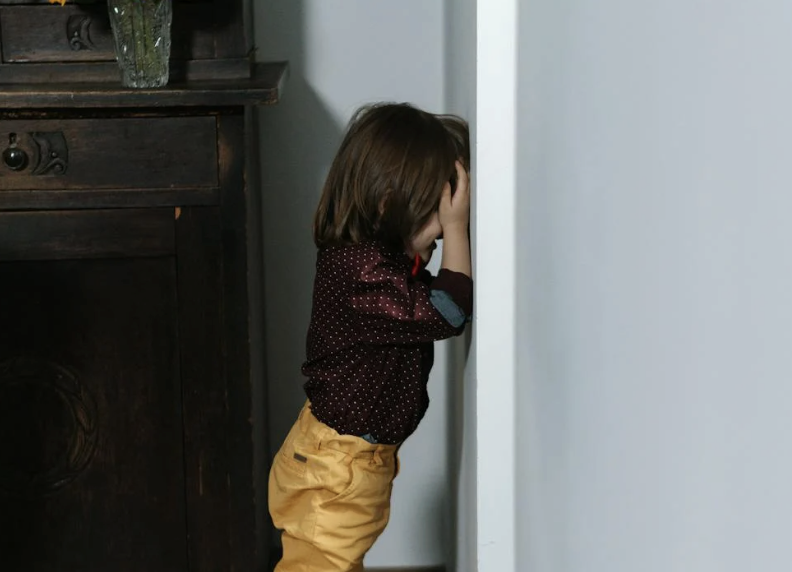
ABA Emotional Regulation Strategies Can Help Autistic Individuals Cope
Applied Behavior Analysis (ABA) therapy is a proven approach to helping autistic individuals develop emotional regulation skills.
Key ABA Emotional Regulation Techniques:
- Identifying Triggers: Understanding what situations cause distress, such as sensory overload or routine changes.
- Teaching Replacement Behaviors: Learning functional ways to express emotions instead of meltdowns.
- Using Visual Aids: Emotion charts and social stories make abstract feelings tangible.
- Practicing Coping Skills: Deep breathing, sensory tools, or relaxation exercises.
- Role-Playing & Positive Reinforcement: Practicing responses in controlled settings and rewarding appropriate emotional behavior.
- Creating Calm-Down Spaces: Designated areas for self-soothing reduce emotional overwhelm.
Example Scenario:
A child feels overwhelmed at school. Through ABA, they:
- Identify the feeling using a visual cue.
- Practice asking for a quiet corner.
- Use a breathing exercise with a pinwheel.
- Receive praise when successfully using the strategy.
This structured approach builds a “toolbox” for managing emotions, reducing meltdowns, and improving independence.
Struggles with recognizing feelings autism and emotional awareness autism are rooted in sensory, cognitive, and interoceptive differences, not a lack of feeling. Interventions like ABA emotional regulation provide practical tools to identify, manage, and express emotions, enhancing self-awareness, social connection, and well-being.
For personalized support with ABA emotional regulation and improving emotional awareness in autistic children, contact Grateful Care today to get started.

FAQ’s
1. What is emotional awareness in autism?
Emotional awareness autism is the ability to notice, understand, and express your own emotions and recognize emotions in others. Many autistic individuals experience challenges in this area due to differences in sensory processing and social cues.
2. Why do autistic individuals struggle with recognizing feelings?
Recognizing feelings autism can be difficult because of alexithymia, sensory overload, interoception challenges, and difficulty interpreting facial expressions, tone, or body language.
3. What is interoception, and how does it affect autism?
Interoception autism is sensing internal body signals like heartbeat, hunger, or tension. Difficulty with interoception can make it hard to link physical sensations to emotions, affecting emotional awareness and self-regulation.
4. How can ABA therapy help with emotional regulation?
ABA emotional regulation uses strategies like emotion charts, coping skills, role-playing, and positive reinforcement to teach autistic individuals how to identify and manage their emotions effectively.
5. What are signs of emotional dysregulation in autism?
Signs include meltdowns or shutdowns, intense or delayed reactions, increased stimming, withdrawal, and difficulty labeling or expressing emotions.
6. Can autistic individuals feel empathy even if they struggle with emotions?
Yes. Many autistic people have deep affective empathy but may find cognitive empathy (understanding why someone feels a certain way) more challenging.
7. How can parents support emotional awareness in autism?
Parents can use emotion charts, interoception exercises, coping strategies, and calm-down spaces to help children connect feelings with physical cues and manage emotions.
8. Where can I get help with ABA emotional regulation?
Programs like Grateful Care provide ABA emotional regulation support to help autistic children improve emotional awareness autism and recognizing feelings autism.
Apply Now
At Grateful Care ABA, we are proud to offer the best ABA therapy services in Indiana. Armed with a team of skilled Board Certified Behavior Analysts (BCBAs), we bring years of experience to the table, making us the preferred provider for ABA therapy in our community.
Understanding that every child with ASD is unique and has unique goals and objectives, our ABA therapists carefully craft personalized ABA therapy plans that are tailored to meet the specific needs of each child. Whether your child needs help with reducing maladaptive behaviors, your child needs IEP support at school, you want your child to be self-sufficient at home, or something else, we use ABA therapy to work diligently toward specific goals. Together we can make a difference in your child’s life!
Contact us today to connect with an ABA therapist and learn more about ABA therapy solutions for your child.


























.jpg)
.jpg)








.jpg)
.jpg)





.jpg)
.jpg)
.jpg)

.jpg)
.jpg)
.jpg)
.jpg)
.jpg)
.jpg)
.jpg)












Contact