Sports for Autistic Kids: Boosting Skills, Confidence, and Social Engagement
Explore sports and activities for autistic kids, including swimming, martial arts, and STEM clubs. Learn how structured, sensory-friendly programs boost skills, confidence, and social growth.
.jpg)
Key Points:
- Structured, sensory-friendly activities help autistic children build motor skills, confidence, and social engagement while minimizing stress and sensory overload.
- Individual sports, adapted programs, and interest-based clubs, such as swimming, martial arts, horseback riding, STEM, and art, support predictable routines and personal growth.
- ABA therapy and structured group activities enhance skill development, teamwork, communication, and emotional regulation, making sports and extracurriculars more accessible and enjoyable.
Why Extracurricular Activities Matter for Autistic Children
Engaging in extracurricular activities is a powerful way for autistic children to build skills, confidence, and friendships. Structured environments, clear communication, and sensory-friendly accommodations help children thrive while exploring interests and developing independence.
Research shows that sports can positively influence various aspects of autism, from psychosocial skills to motor development.
Extracurricular activities offer multiple benefits for autistic children, including:
- Social and Communication Skills: Participating in group activities encourages turn-taking, sharing, and cooperative play, reducing isolation.
- Physical Health and Motor Skills: Sports like swimming, martial arts, and dance improve coordination, strength, and endurance.
- Emotional Regulation and Confidence: Learning new skills and achieving personal goals boosts self-esteem while helping manage repetitive behaviors.
- Structured Routine: Predictable schedules reduce anxiety and provide a sense of security.
- Interest-Based Engagement: Creative and cognitive outlets like art, music, or STEM clubs foster strengths and personal passions.
While physical activity offers many benefits, sports can sometimes be overwhelming for autistic children due to sensory, motor, and social challenges.
Understanding these barriers helps parents and caregivers choose appropriate activities that are both enjoyable and supportive.
Key Challenges in Sports Participation
Sensory Sensitivities
Gyms, fields, and sports arenas can be overwhelming due to loud noises, echoes, bright lights, or strong smells, which may cause stress, discomfort, or even pain.
Motor Skill Difficulties
Many autistic children experience dyspraxia, low muscle tone, or coordination challenges, making tasks like running, catching, or throwing particularly difficult.
Motor Planning Deficits
Difficulty in planning and executing sequences of movements, such as stopping, turning, and kicking a ball at the same time, can lead to frustration and reduced participation.
Social and Communication Barriers
Team sports often require reading body language, understanding implicit social rules, and rapid communication, which can be especially challenging for autistic children.
Environmental and Structural Issues
Inflexible training programs, unclear routines, or coaches who lack understanding of neurodiverse needs can make participation stressful or discouraging.
Recommended Sports for Autistic Kids: Individual, Structured, and Sensory-Friendly Activities
Autistic children often thrive in individual, structured, or sensory-friendly sports that focus on predictable routines and personal skill development. These activities improve stamina, coordination, balance, motor skills, and confidence while supporting emotional regulation in a safe, supportive environment.
Recommended Sports and Activities
Individual Sports
- Swimming: Calming sensory input, low-impact, and allows self-paced progress.
- Martial Arts: Structured and predictable; promotes focus, discipline, and social engagement when appropriate.
- Cycling: Builds balance, stamina, independence, and provides calming, repetitive motion.
- Horseback Riding (Hippotherapy): Enhances motor skills, balance, and emotional connection with the animal.
- Track & Field / Running: Simple, repetitive motions to release energy and improve endurance.
- Gymnastics & Yoga: Supports flexibility, body awareness, relaxation, and emotional regulation.
- Bowling & Golf: Low-impact, repetitive motions that build focus, precision, and confidence.
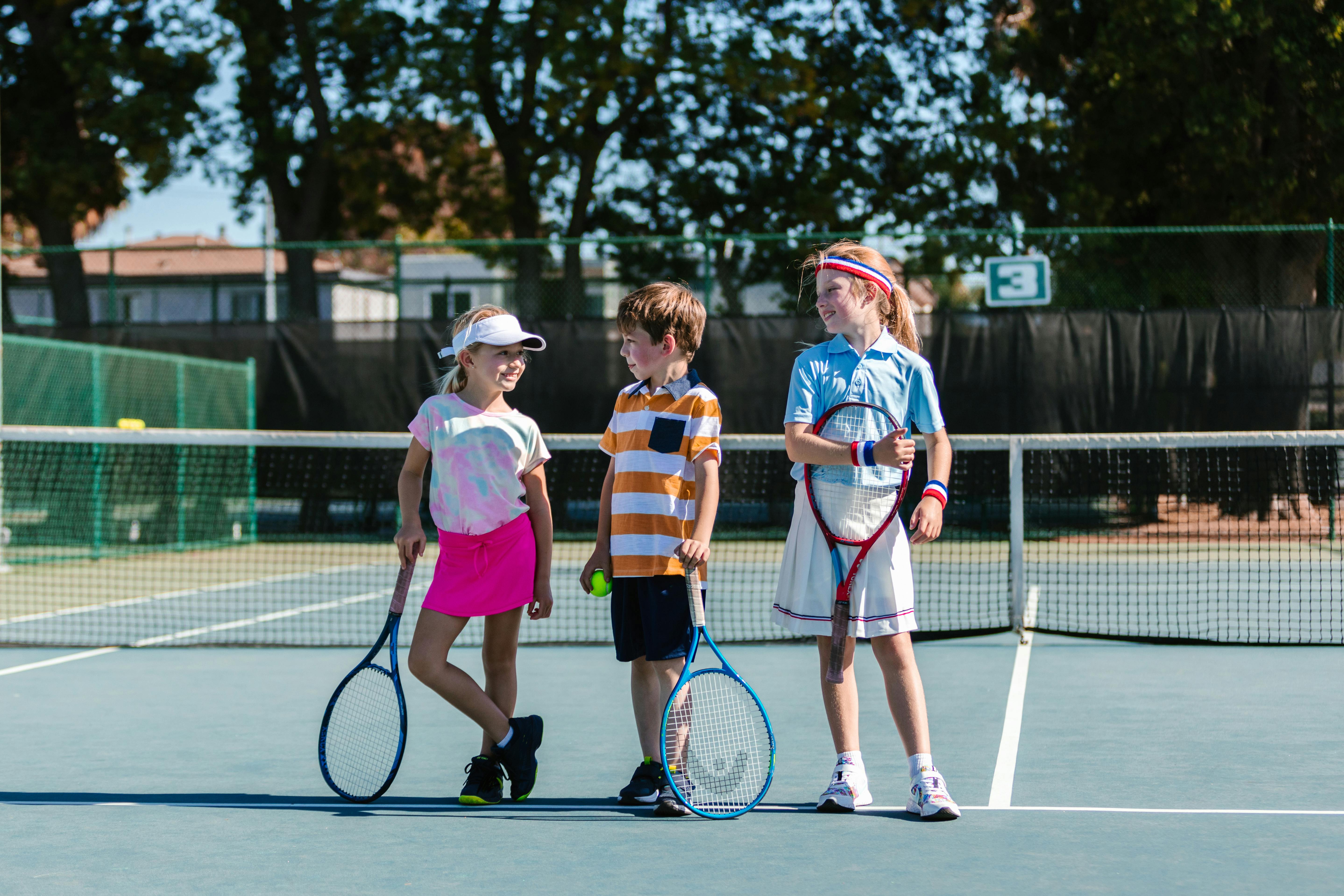
- Tennis & Archery: Encourages personal skill development without intense team pressure.
Focused Activities and Structured Clubs
- STEM Clubs & Coding: Foster problem-solving and interest-based engagement.
- Art & Music Classes: Promote creativity, self-expression, and emotional engagement.
- Yoga & Dance: Encourage coordination, flexibility, and self-regulation.
Social and Community Groups
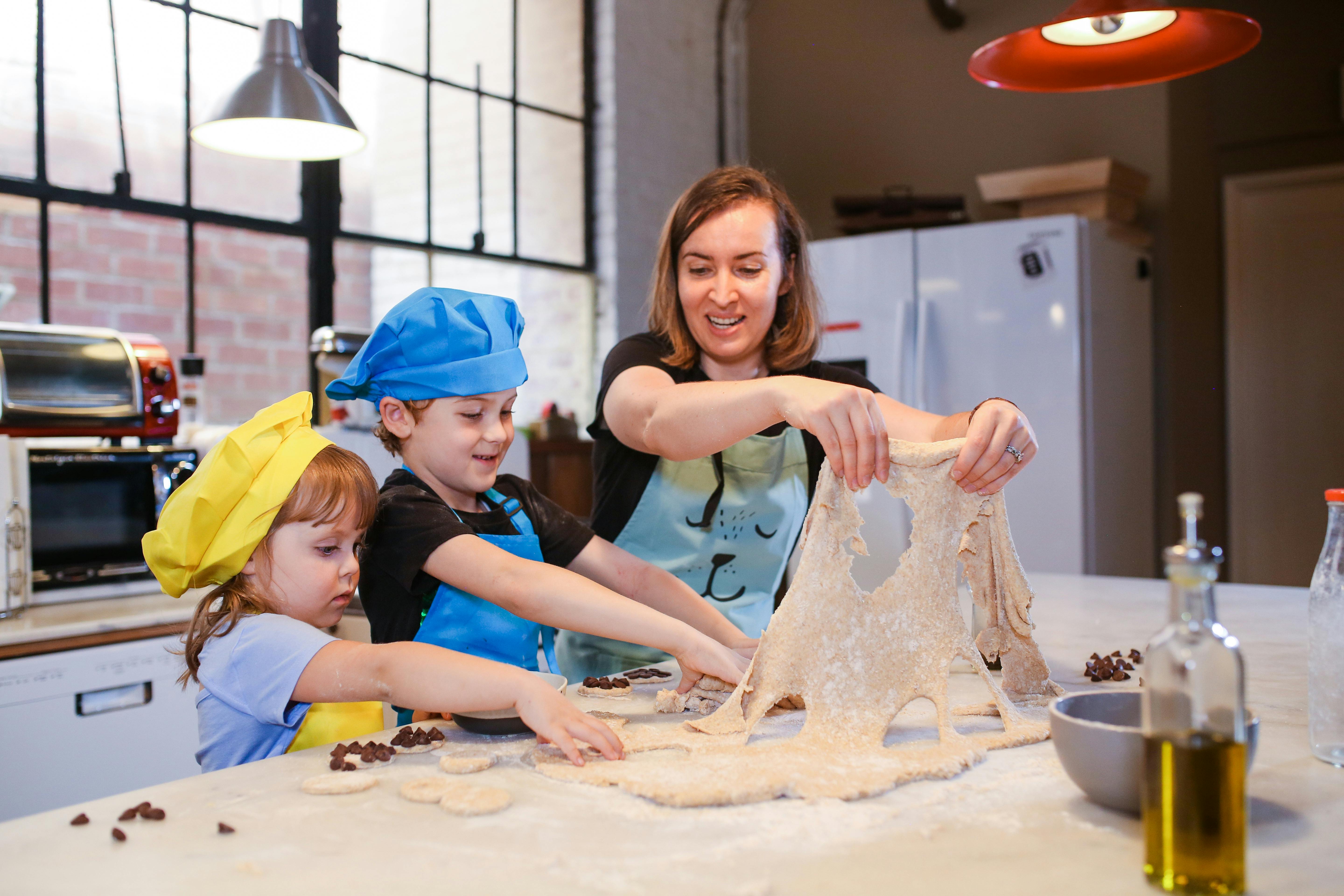
- Scouts/Girl Guides, Drama Clubs, Cooking Classes: Combine skill-building with social interaction.
- Adaptive Sports Leagues: Programs like Special Olympics or Challenger leagues provide inclusion, trained staff, and supportive environments.
Adapted At-Home Activities
- Volleyball with Balloons: Encourages hand-eye coordination with minimal pressure.
- Bowling with Recyclables: Use empty bottles or cans as pins for low-stress play.
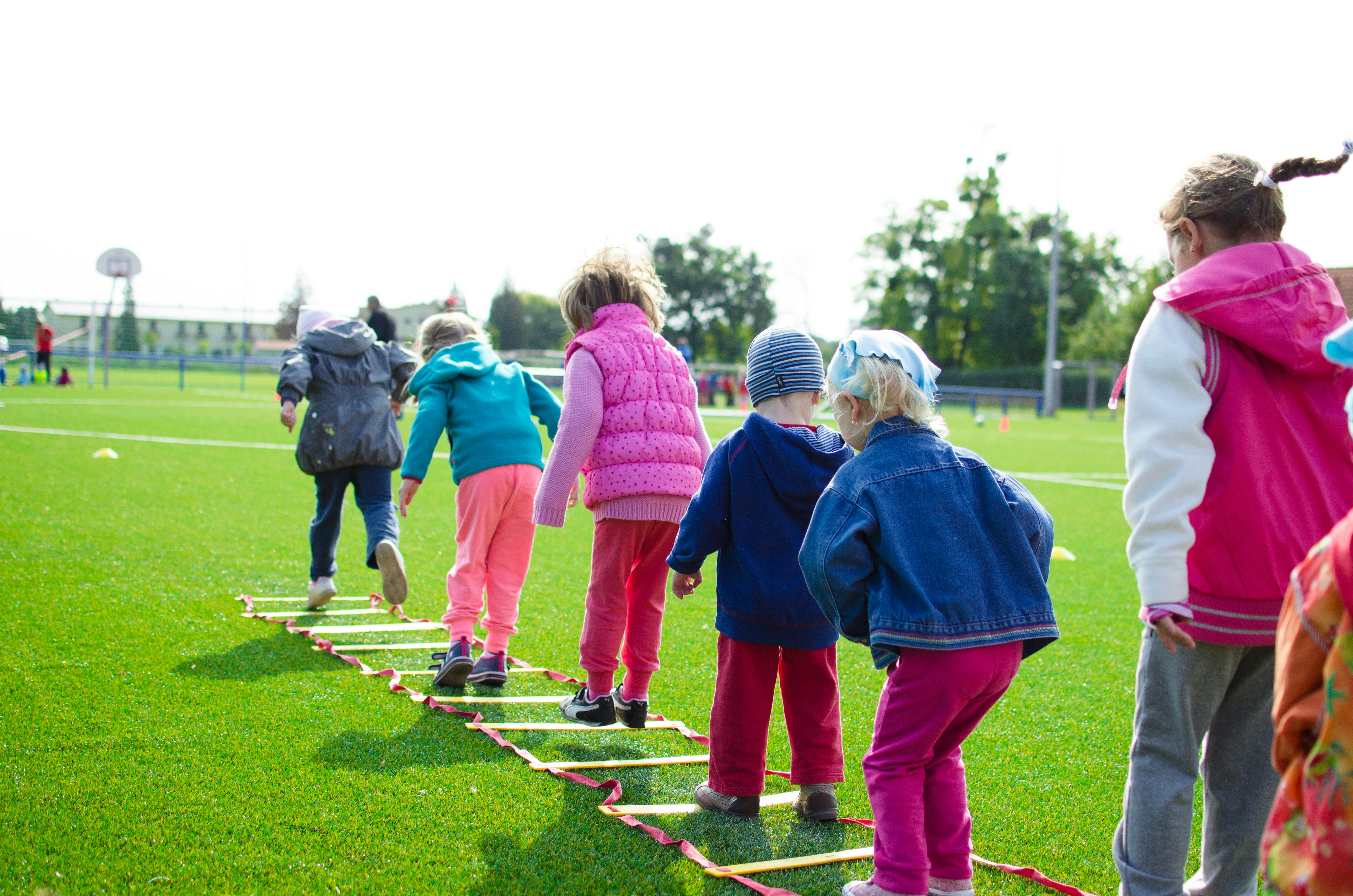
- Obstacle Courses: Set up indoor or outdoor courses with painter’s tape or chalk to promote movement and spatial awareness.
Structured, interest-based, and sensory-friendly activities help autistic children build confidence, develop motor skills, and enjoy physical activity in a supportive and predictable environment.
Key Considerations When Choosing a Sport
- Individual vs. Team Activities: Many autistic children prefer activities where they control the pace (e.g., swimming, running) over high-pressure team sports.
- Structure and Predictability: Sports with clear, repeatable rules reduce anxiety and increase engagement.
- Sensory Needs: Activities that provide deep pressure (horseback riding) or repetitive movement (cycling) can be calming.
- Adapted Programs: High coach-to-student ratios (e.g., 3:1 vs. 15:1) make team sports more accessible and supportive.
Selecting the Right Environment
Choosing the right setting is crucial:
- Inclusive Programs: Opt for programs designed for neurodiverse children or adaptive sports leagues.
- Trained Staff: Coaches and instructors with experience in autism can provide appropriate accommodations.
- Small Groups: Smaller class sizes offer personalized attention and reduce sensory overload.
- Consistency: Predictable schedules and structured routines help children feel secure and engaged.
How ABA Therapy Helps Autistic Children Thrive in Sports
Applied Behavior Analysis (ABA) therapy can play a key role in helping autistic children succeed in both team and individual sports. By breaking down complex skills, teaching social strategies, and providing structured, predictable routines, ABA makes sports more accessible, enjoyable, and confidence-building.
Key Ways ABA Supports Sports Participation
1. Skill Task Analysis
ABA breaks complex movements, like throwing, kicking, or swinging, into smaller, manageable steps. This step-by-step approach allows children to gradually master each component of a sport.
2. Social and Team Skills
Therapists teach important social behaviors essential for sports, including:
- Sharing equipment
- Following rules
- Understanding sportsmanship
- Cooperating with teammates
3. Reducing Sensory Overload
Sports environments can be overwhelming with bright lights, loud noises, or crowded spaces. ABA therapists help children develop coping strategies to manage sensory sensitivities.
4. Individualized Support
Every child has unique sensory needs and interests. ABA programs use tailored plans and tools like visual schedules to increase predictability and reduce anxiety during sports activities.
5. Boosting Confidence
Through positive reinforcement, children experience consistent success, which builds self-esteem and motivation to participate in sports.
6. Communication Training
ABA techniques teach children to communicate effectively on the field or court, such as asking for a break, requesting help, or signaling readiness to participate.
Sports Commonly Supported by ABA Therapy
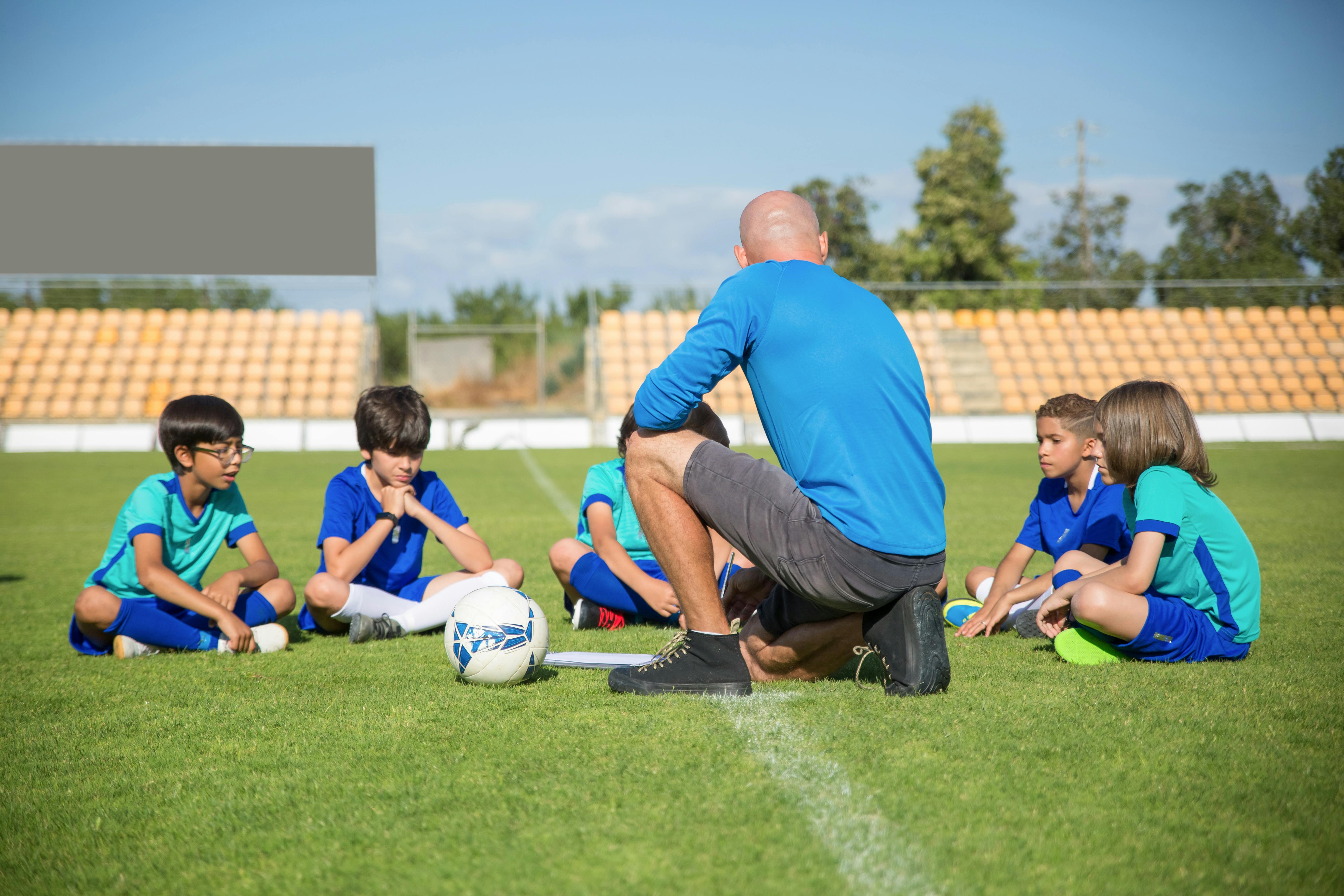
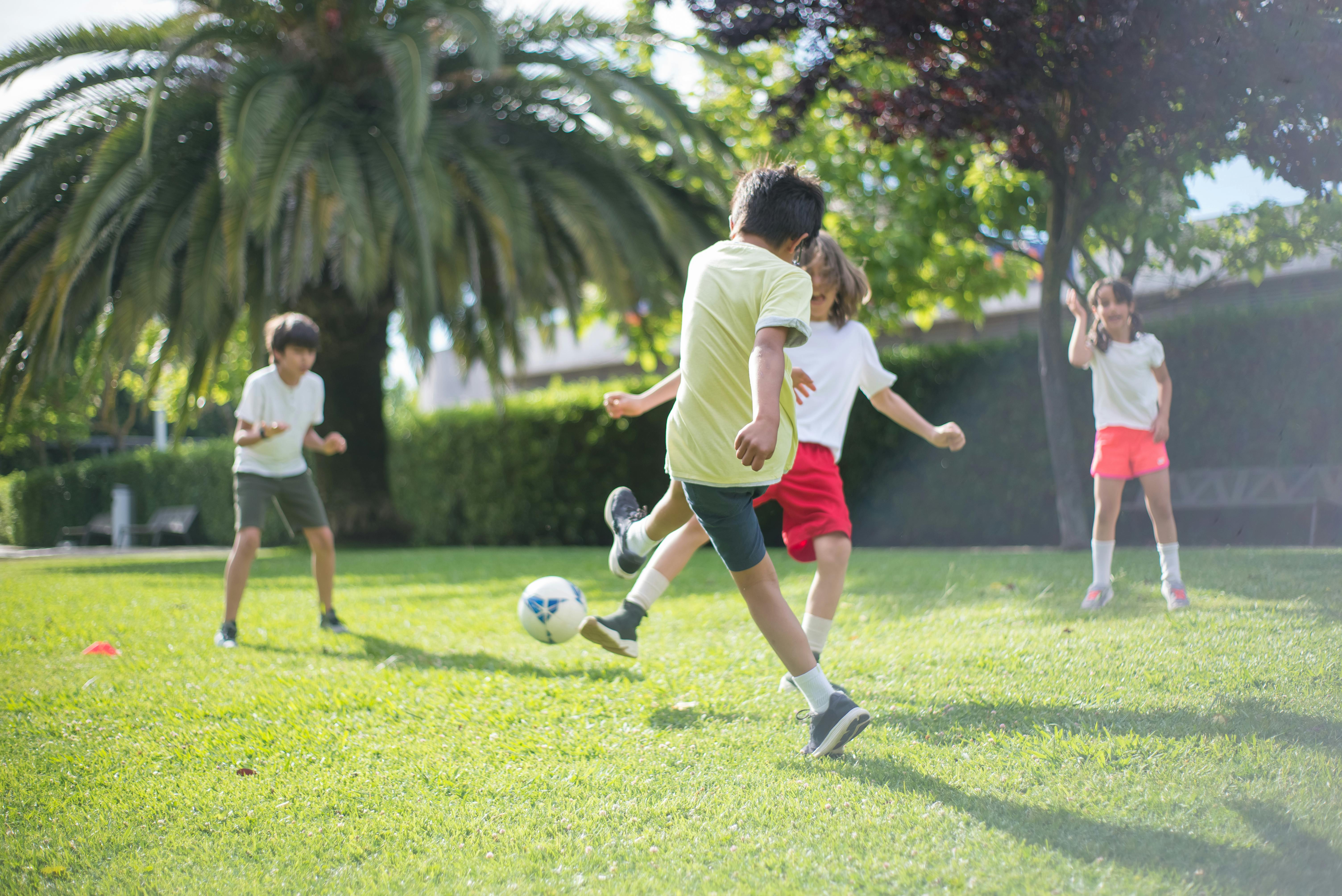
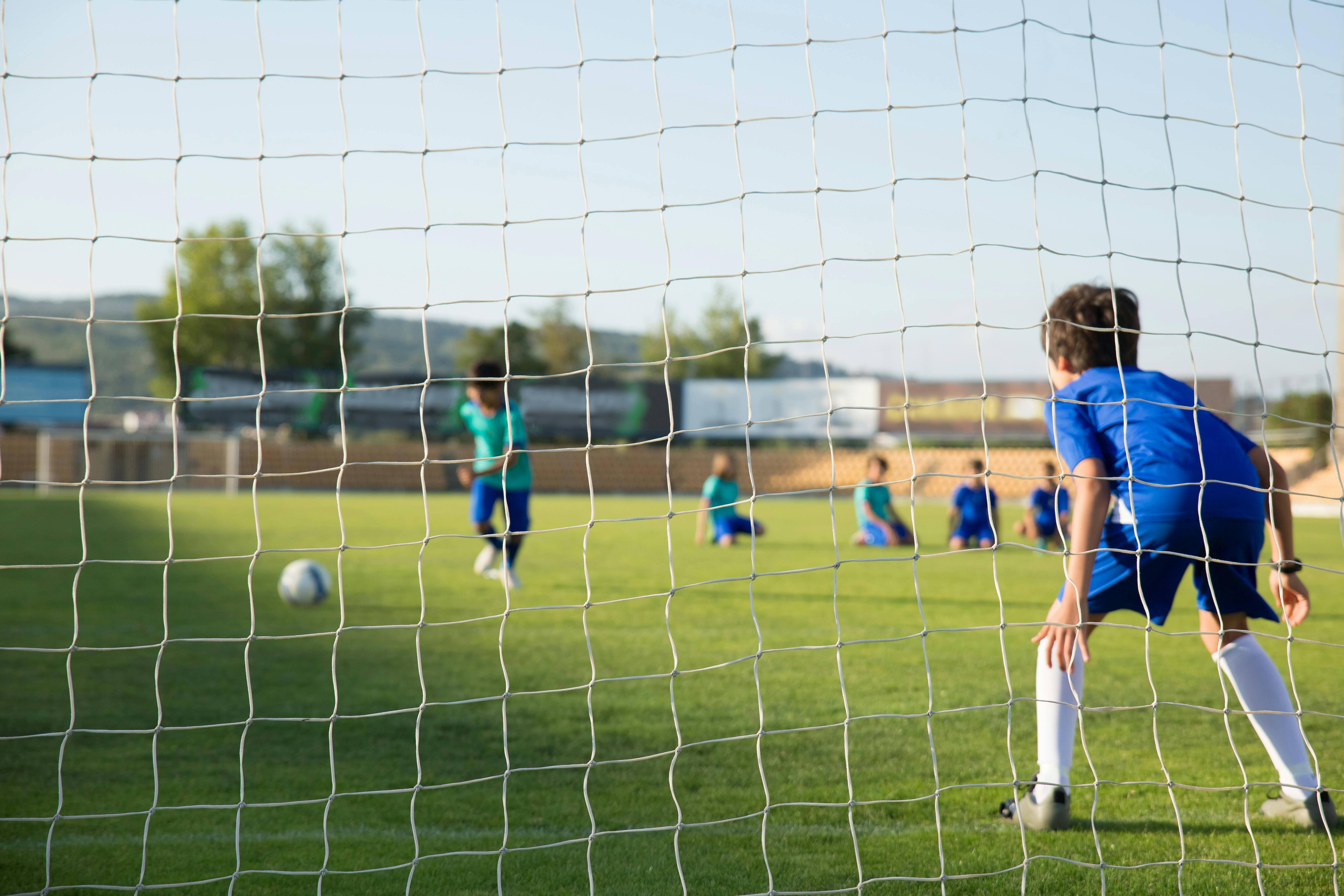
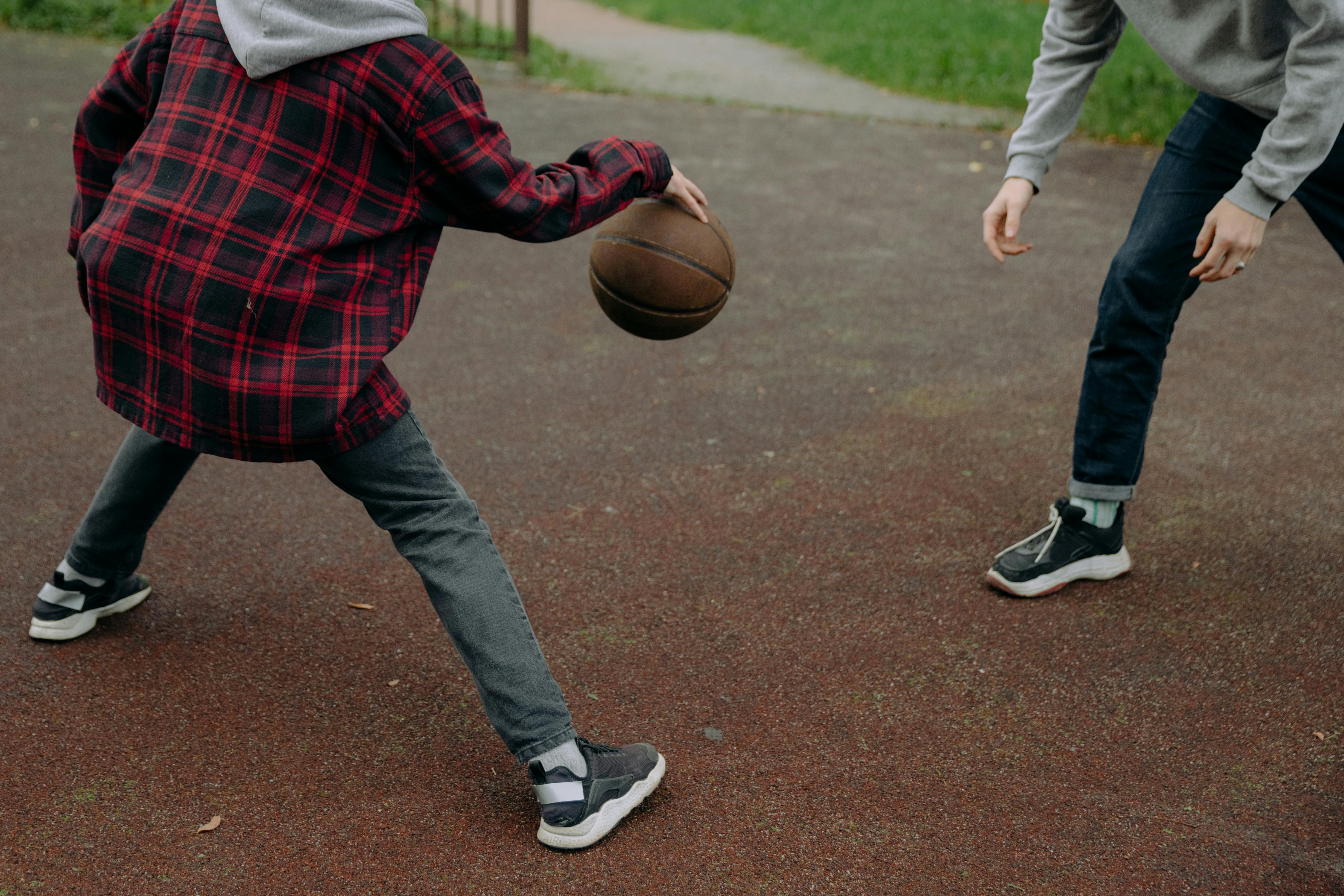
- Team Sports: Soccer, basketball, and track and field improve teamwork, communication, and cooperation.
- Individual/Structured Activities: Martial arts and swimming emphasize routine, discipline, and self-directed achievement.
- Movement & Coordination Activities: Horseback riding enhances balance, body awareness, and motor coordination.
Collaboration with Coaches and Families
ABA therapy works best when therapists collaborate with coaches, instructors, and families. This ensures that skills learned in therapy, both physical and social, transfer seamlessly to real sports settings, improving both performance and enjoyment.
ABA therapy empowers autistic children to participate confidently in sports, promoting skill development, social engagement, and emotional regulation, all while making the experience fun and rewarding.
A Successful Game Day In Practice
Successful “game days” prioritize low-stress routines and sensory-friendly modifications, such as small-sided soccer or non-contact games, to minimize sensory overload which may look like:
Arrival (5–10 mins): Quiet, predictable entry with a visual schedule showing the session’s flow.
Warm-Up (10 mins): Simple, rhythmic movements like hopping, crawling, or jumping on mats to provide deep pressure input and prepare the body for activity.
Activity 1 – Individual Skill Focused (15 mins): For example, “Castle Bowling” (bowling with boxes) to practice fine motor skills and encourage predictability.
Activity 2 – Group Cooperation (15 mins): Parachute games or similar visual group activities that promote teamwork without complex social demands.
Cool Down (10 mins): Gentle stretching or “Freeze Dance” to support self-regulation and calm transition.
Building Social Skills for Autistic Individuals in Group Settings
Group activities provide autistic individuals with valuable opportunities to practice social interaction, communication, and cooperation in a supportive environment. Focusing on structured activities, turn-taking, and shared interests can help children develop empathy, conflict resolution skills, and an understanding of social cues.
Social Skills Gained in Group Activities
Structured Games & Play
Games like Connect Four, Hungry Hungry Hippos, or collaborative building activities encourage turn-taking, following rules, and teamwork.
Collaborative Arts
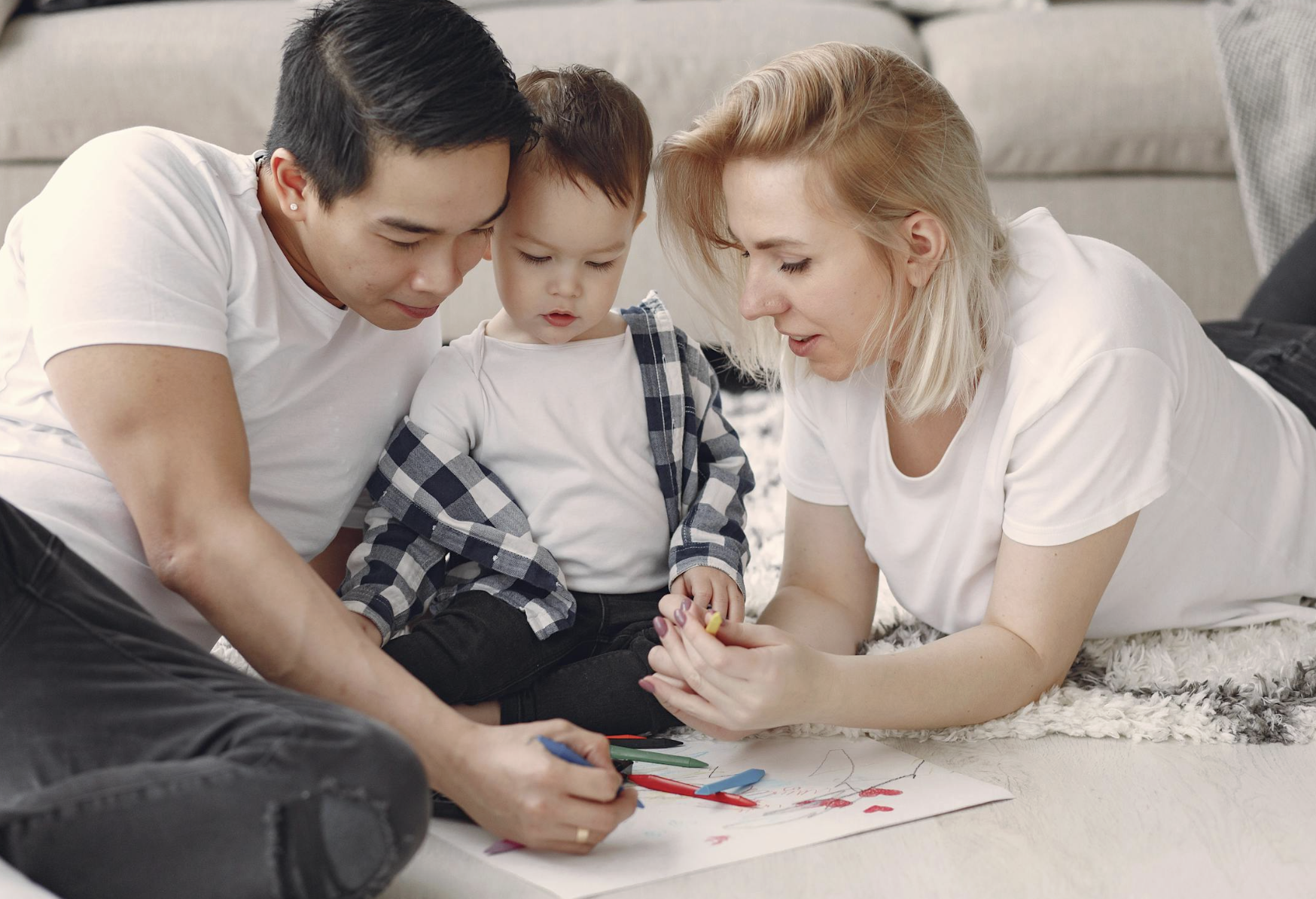
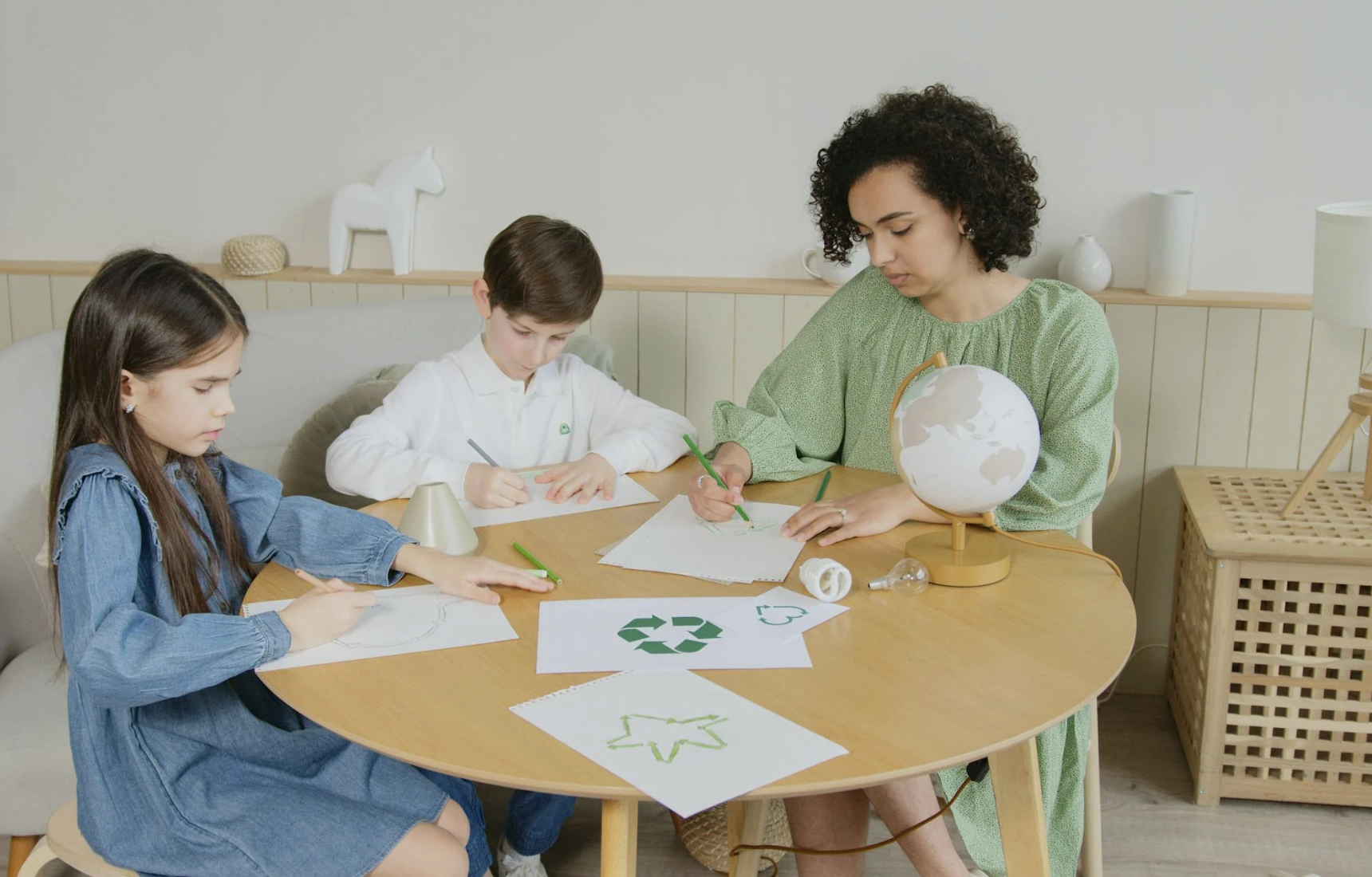
Group projects such as painting murals, crafting together, or creating group installations allow participants to work cooperatively while expressing creativity.
Role-Playing & Imaginary Play
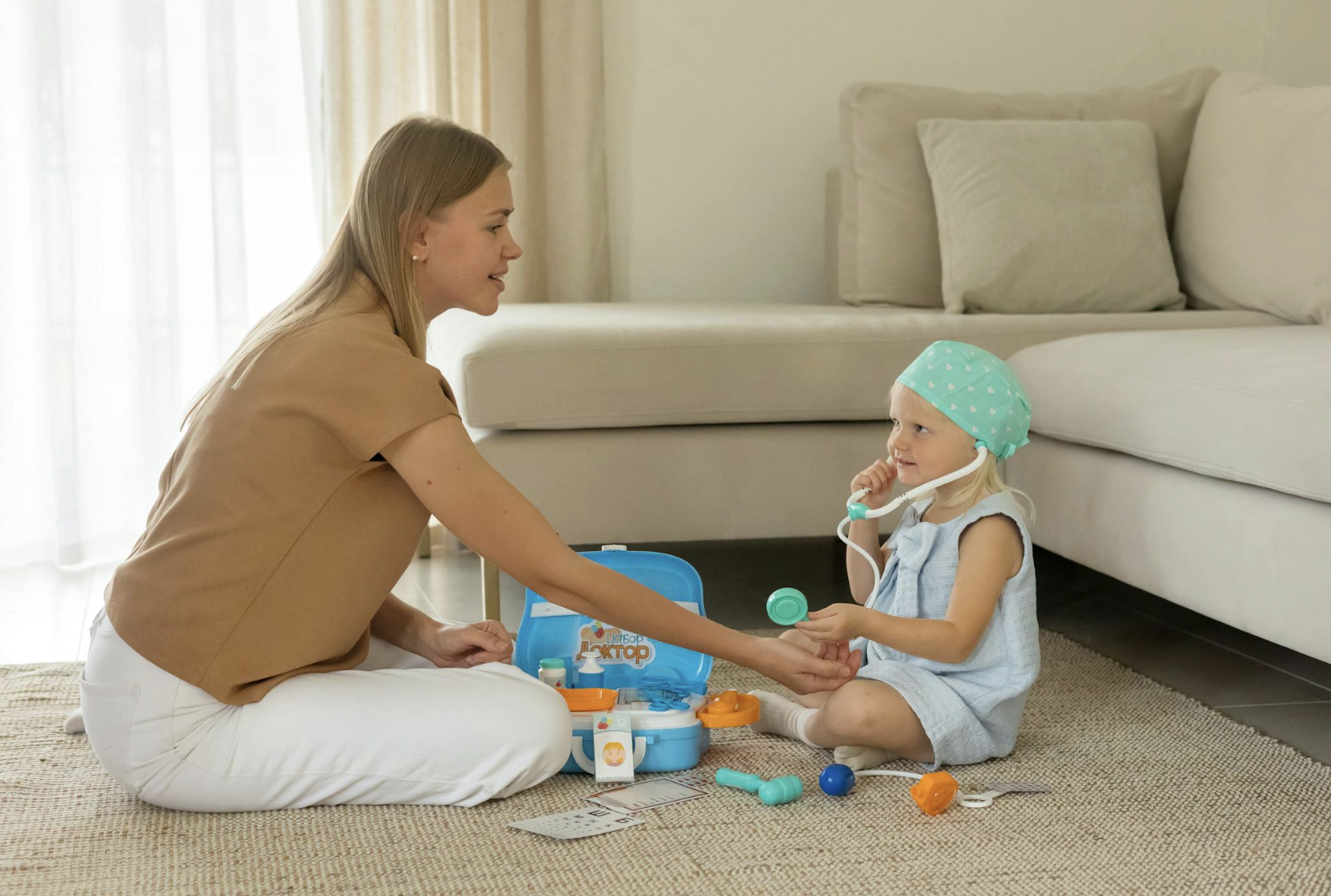
Acting out scenarios with costumes or props helps children practice social roles, problem-solving, and communication in a safe, guided environment.
Active Physical Games
Simple games like tag, hide-and-seek, or relay races promote physical activity while encouraging interaction, rule-following, and cooperative play.
Structured Socialization
Attending organized group activities provides opportunities to practice conversations, sharing, and interpreting emotions in a predictable, supportive setting.
Interest-Based Sharing
Autistic individuals often connect authentically through intense, focused sharing of personal interests (“infodumping”), which can be a meaningful way to build friendships.
Key Aspects of Group Social Skills
- Turn-Taking & Sharing: Learning to wait for a turn and share materials.
- Cooperation: Working together to achieve a common goal, such as completing a puzzle or playing a team sport.
- Communication: Practicing asking for items, making requests, or using verbal/nonverbal cues to interact effectively.
- Recognizing Social Cues: Understanding personal space, facial expressions, and body language.
Focusing on enjoyable interaction rather than strict adherence to social rules helps autistic individuals feel more confident, engaged, and motivated to participate. Structured group activities provide a safe space to practice these skills, paving the way for stronger friendships and social success.
Considerations for Sports Participation
- Modified Sports: Smaller fields, lower hoops, or simplified rules reduce pressure and stress.
- Support & Environment: One-to-one instruction or small group ratios enhance success.
- Individual Choice: Aligning activities with the child’s interests increases motivation and engagement.
Structured, predictable, and sensory-friendly sports experiences help autistic children build skills, confidence, and social cooperation while minimizing anxiety and sensory overload.
Empower your child with the tools to succeed. Contact Grateful Care ABA, and explore tailored therapy solutions.
FAQs
1. What sports are best for autistic children?
Individual, structured, and sensory-friendly sports are often most suitable. Popular options include swimming, martial arts, gymnastics, track & field, cycling, horseback riding, yoga, and golf, as they focus on predictable routines and personal skill development.
2. Why can sports be challenging for autistic children?
Sports can be overwhelming due to sensory sensitivities, motor skill difficulties, motor planning challenges, social communication barriers, and environmental or structural issues in team-based or high-pressure activities.
3. How can ABA therapy help autistic children in sports?
ABA therapy supports sports participation by breaking down complex skills into manageable steps, teaching social and team skills, managing sensory overload, providing individualized support, boosting confidence through reinforcement, and improving communication on the field or court.
4. What are some adapted sports or activities for home?
Simple, low-stress activities at home can include volleyball with balloons, bowling with recyclables, or indoor/outdoor obstacle courses using painter’s tape or chalk to promote movement, coordination, and fun.
5. How can group activities support social skills?
Structured group activities like collaborative arts, board games, role-playing, parachute games, and interest-based sharing help autistic children practice turn-taking, cooperation, communication, and understanding social cues in a supportive environment.
6. How can parents choose the right sport or program for their child?
Consider individual vs. team activities, structure and predictability, sensory needs, adapted programs, small group ratios, and trained staff. Activities aligned with the child’s interests and strengths are most engaging and beneficial.
Apply Now
At Grateful Care ABA, we are proud to offer the best ABA therapy services in Indiana. Armed with a team of skilled Board Certified Behavior Analysts (BCBAs), we bring years of experience to the table, making us the preferred provider for ABA therapy in our community.
Understanding that every child with ASD is unique and has unique goals and objectives, our ABA therapists carefully craft personalized ABA therapy plans that are tailored to meet the specific needs of each child. Whether your child needs help with reducing maladaptive behaviors, your child needs IEP support at school, you want your child to be self-sufficient at home, or something else, we use ABA therapy to work diligently toward specific goals. Together we can make a difference in your child’s life!
Contact us today to connect with an ABA therapist and learn more about ABA therapy solutions for your child.











.jpg)





.jpg)
.jpg)



.jpg)
.jpg)
.jpg)

.jpg)
.jpg)
.jpg)
.jpg)
.jpg)
.jpg)
.jpg)