How ABA Therapy Builds Social Skills and School Readiness
Learn how ABA therapy helps children build social skills, improve peer interactions, and prepare for school success. Contact Grateful Care ABA at (317) 572-5315 to get started.

Key Points:
- ABA helps children build social skills like communication, turn-taking, and peer interaction.
- School readiness goals prepare children for success in classrooms, playgrounds, and community settings.
- Grateful Care ABA incorporates social and peer-focused learning into every individualized treatment plan.

Have you ever watched your child stand at the edge of a birthday party, unsure how to join the group?
Many parents know that quiet ache. The other kids laugh and run while your child holds back. Social connection comes naturally for some, but for children on the autism spectrum, joining a group can feel like a wall too high to climb. ABA therapy can change that.
At Grateful Care ABA, we help children build the skills they need to engage with peers, succeed in school, and feel part of the community around them. Social readiness does not happen by accident. It happens through patient, planned practice.
Why ABA Social Skills Matter
ABA social skills training helps children learn what comes intuitively to many of their peers. Saying hello. Taking turns. Reading body language. Asking to join a game. These small actions open big doors.
Children with autism often need direct teaching to:
- Make eye contact during conversation
- Recognize facial expressions
- Wait for their turn in a group activity
- Start a back-and-forth conversation
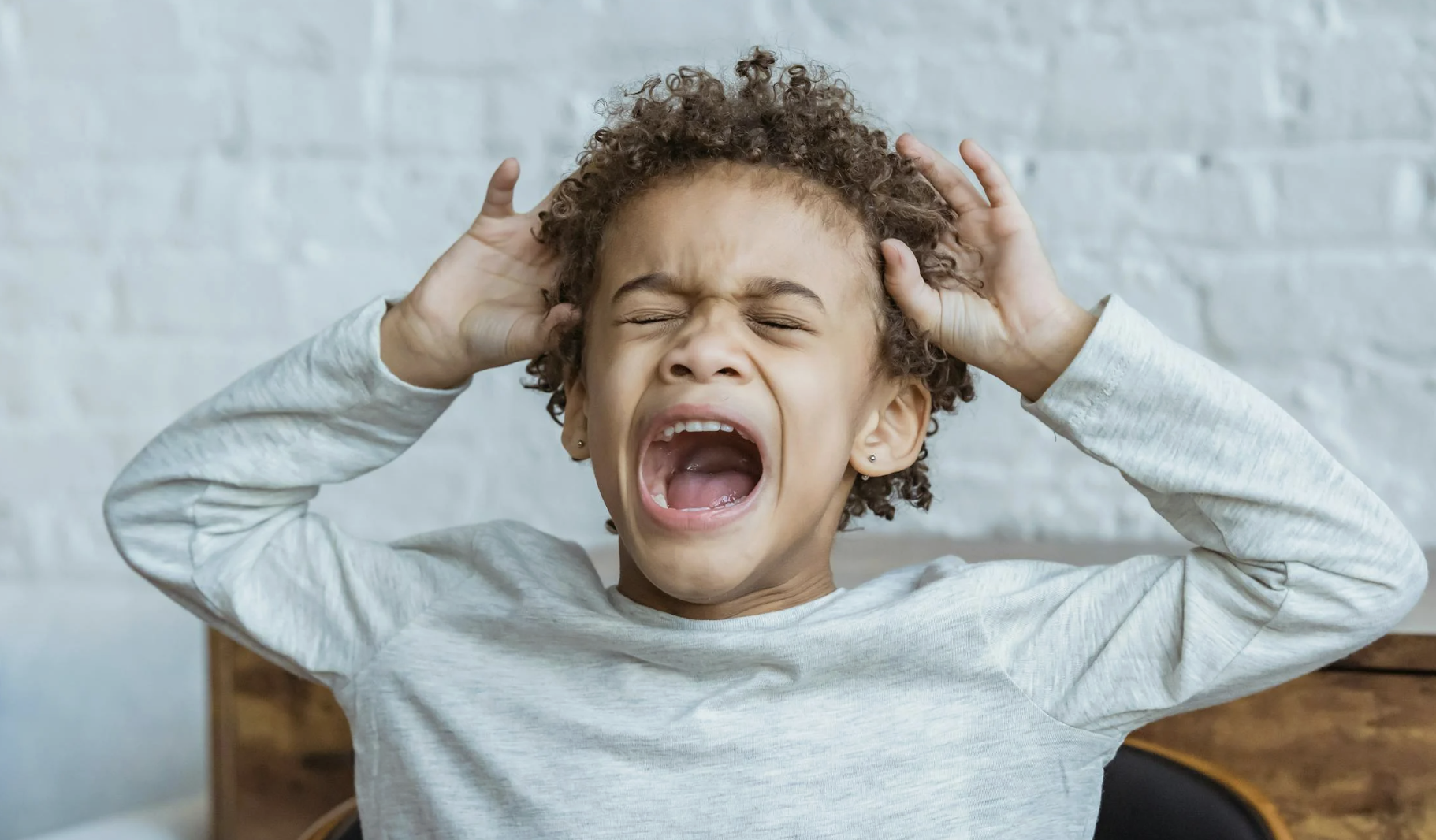
- Handle disappointment without shutting down
Each skill builds the next. Visit our services page to see how we structure social skills work in every program.
School Readiness ABA: Building the Foundation
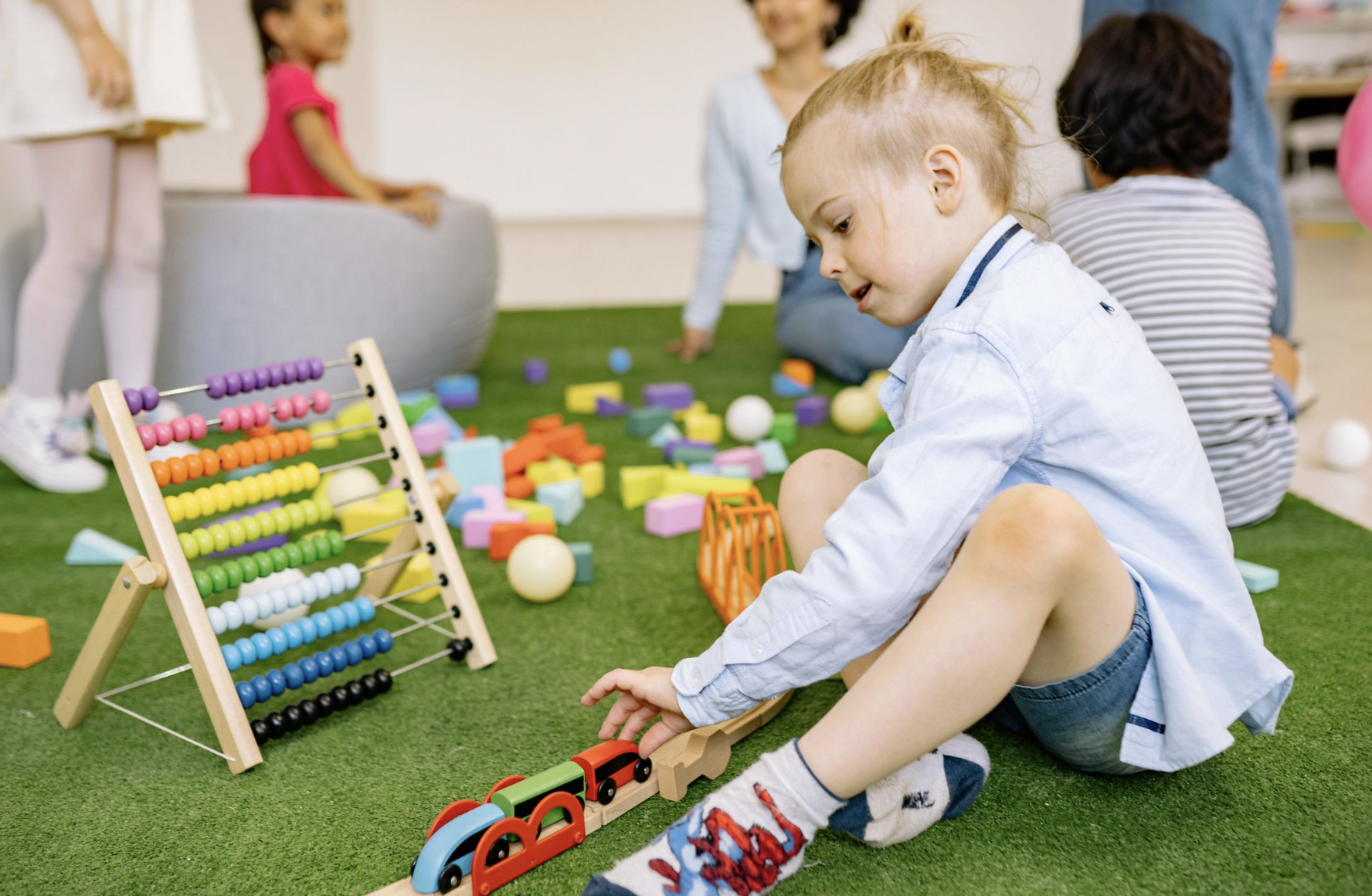
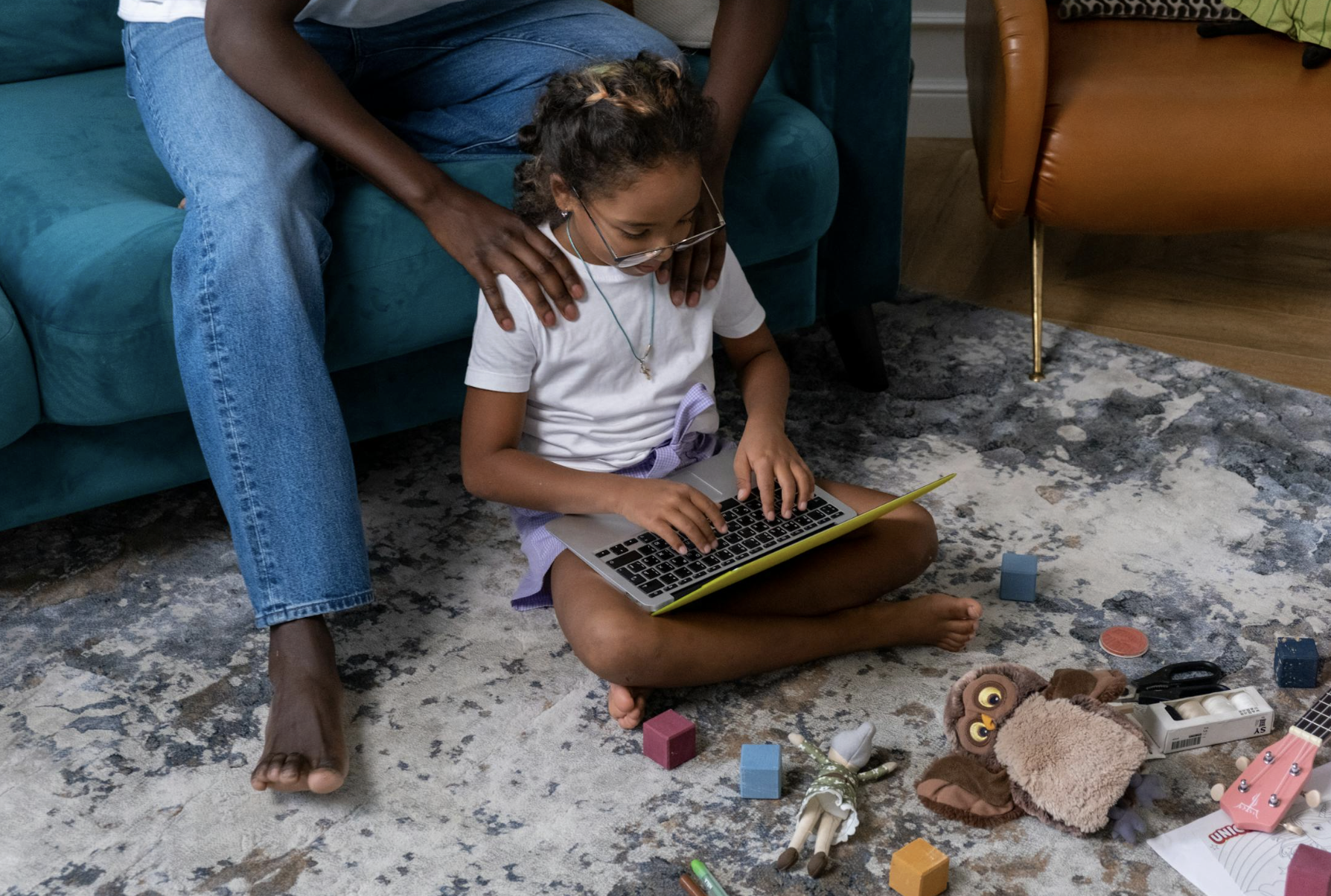
School readiness ABA prepares children for the daily demands of a classroom. Sitting at a desk. Following multi-step directions. Raising a hand. Lining up. Working alongside peers. These routines decide how the school day flows.
Our BCBAs build goals around:
- Sitting and attending tasks for set periods
- Following the teacher's instructions
- Transitioning between activities
- Asking for help with words
- Managing frustration during lessons
When a child masters these skills before kindergarten or before returning from a school break, the year starts on a stronger footing.
Our team folds these targets into every program for school-age children.

Autism Community Integration Beyond the Therapy Room
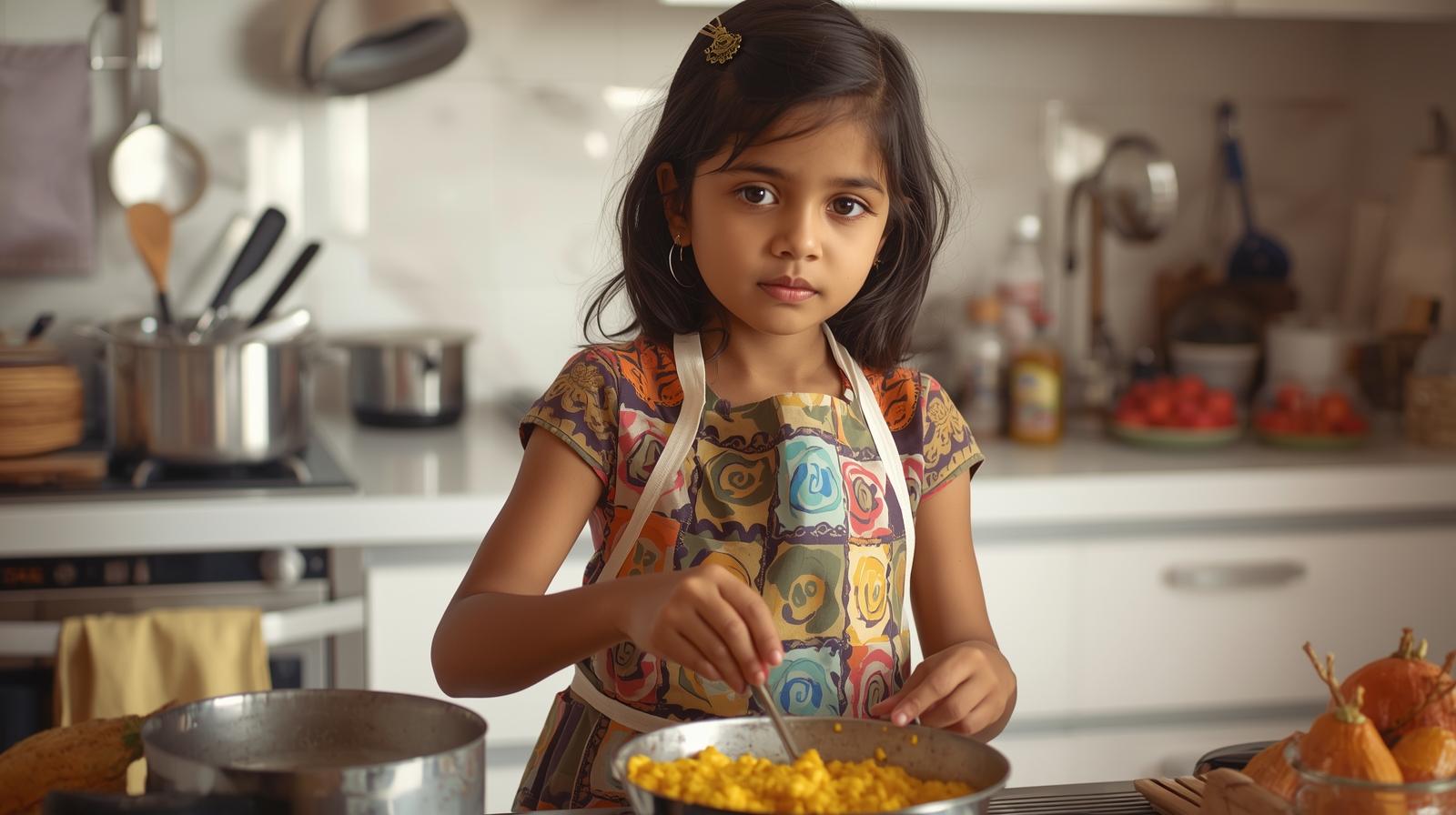
Autism community integration extends ABA beyond the home and school. Grocery stores. Restaurants. Birthday parties. Sports practice. Religious services. Every public space brings its own rules and sounds.
Strategies we use:
- Practice short outings with a therapist before independent visits
- Use visual schedules for new environments
- Teach scripts for ordering food or greeting a coach
- Build tolerance for noise, crowds, and waiting
- Celebrate small wins in public settings
A child who can walk into a community event without panic gains confidence. So does the parent.
Peer Interaction Autism Support That Works
Peer interaction autism support is one of the hardest goals for many families. Children may want friends but not know how to make them. ABA bridges that gap with structured peer-based learning.
Our therapists use:
- Role-playing common social scenarios
- Video modeling of peer interactions
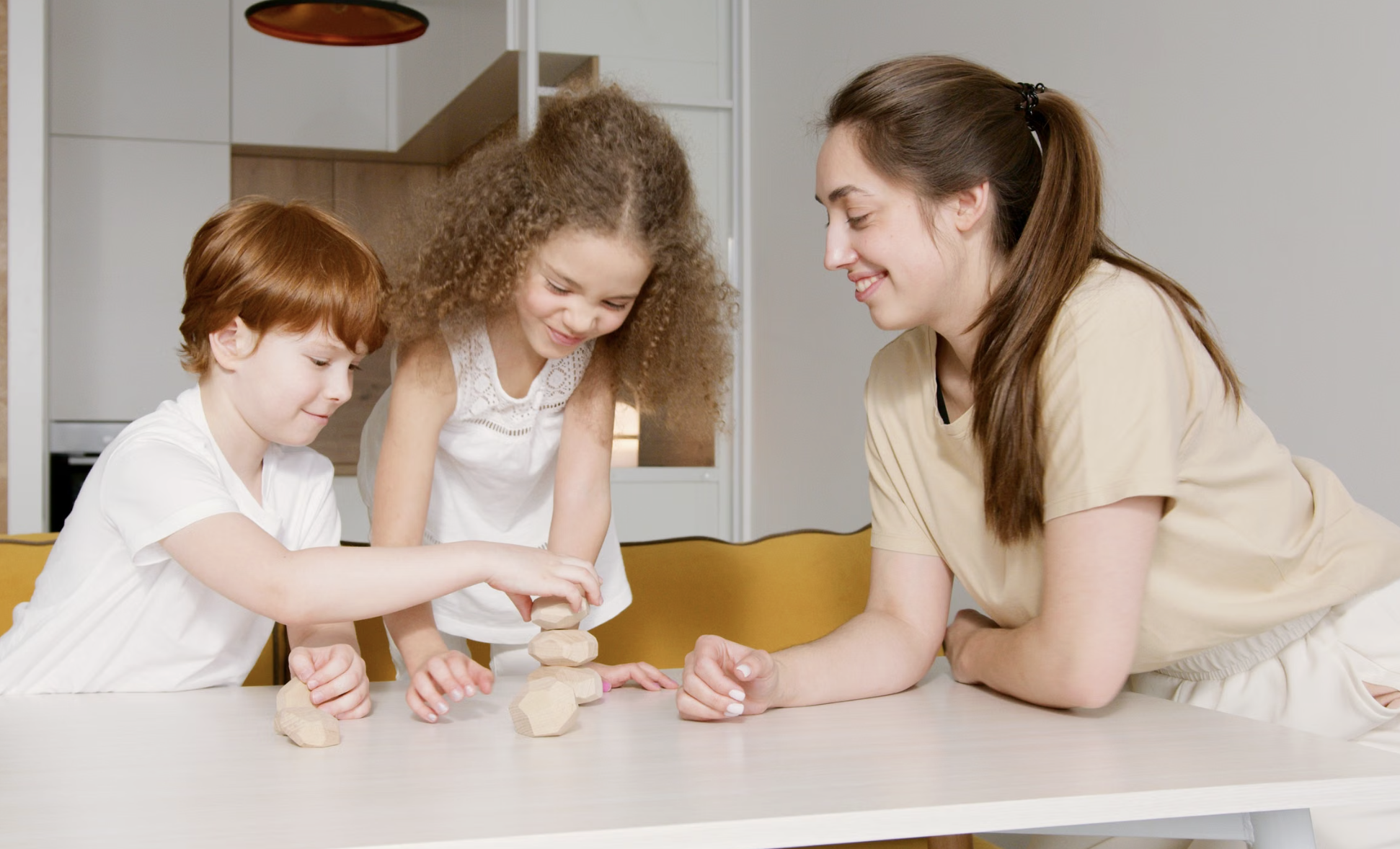
- Practice sessions with siblings or paired peers
- Coaching during planned playdates
- Feedback after each peer encounter
Friendship cannot be forced, but the skills that lead to friendship can be taught. With time and practice, many children build relationships that last beyond therapy.

ABA in Action: Using ABA to Build Social Skills at School
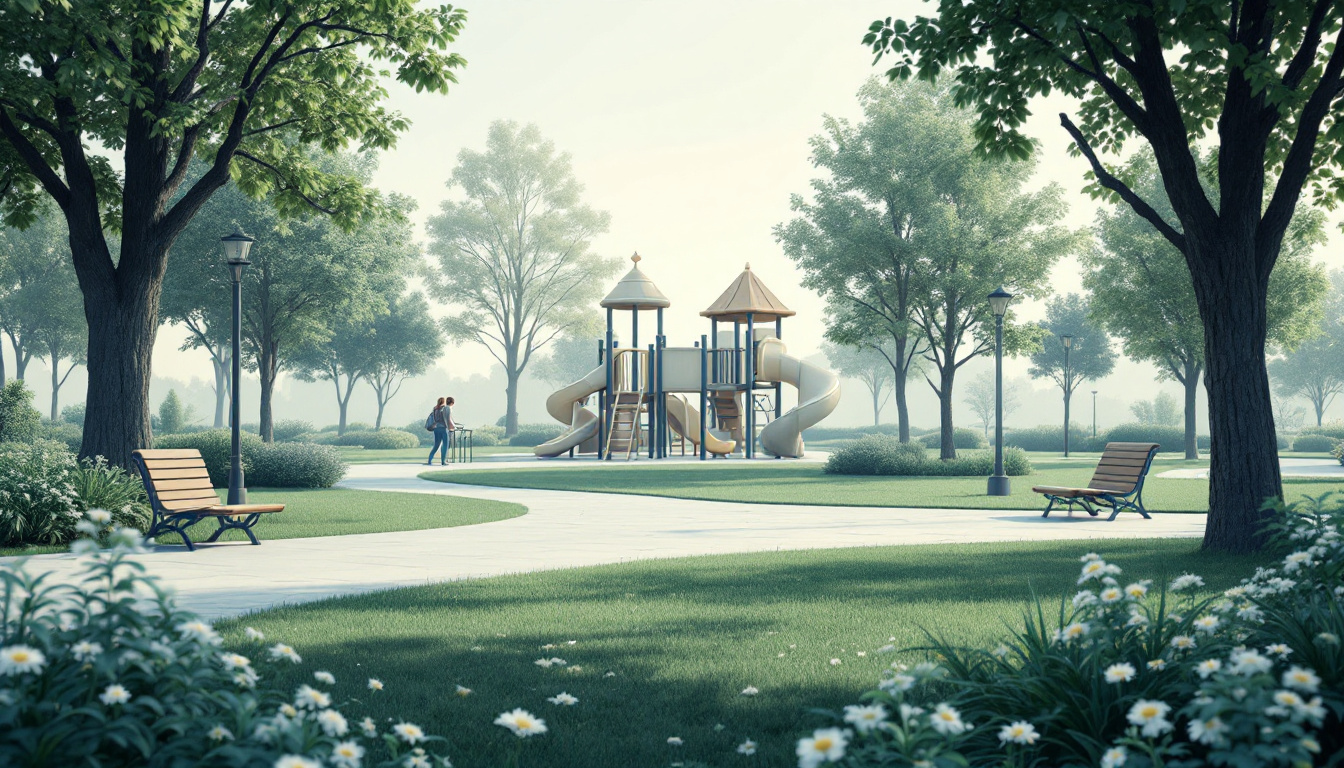
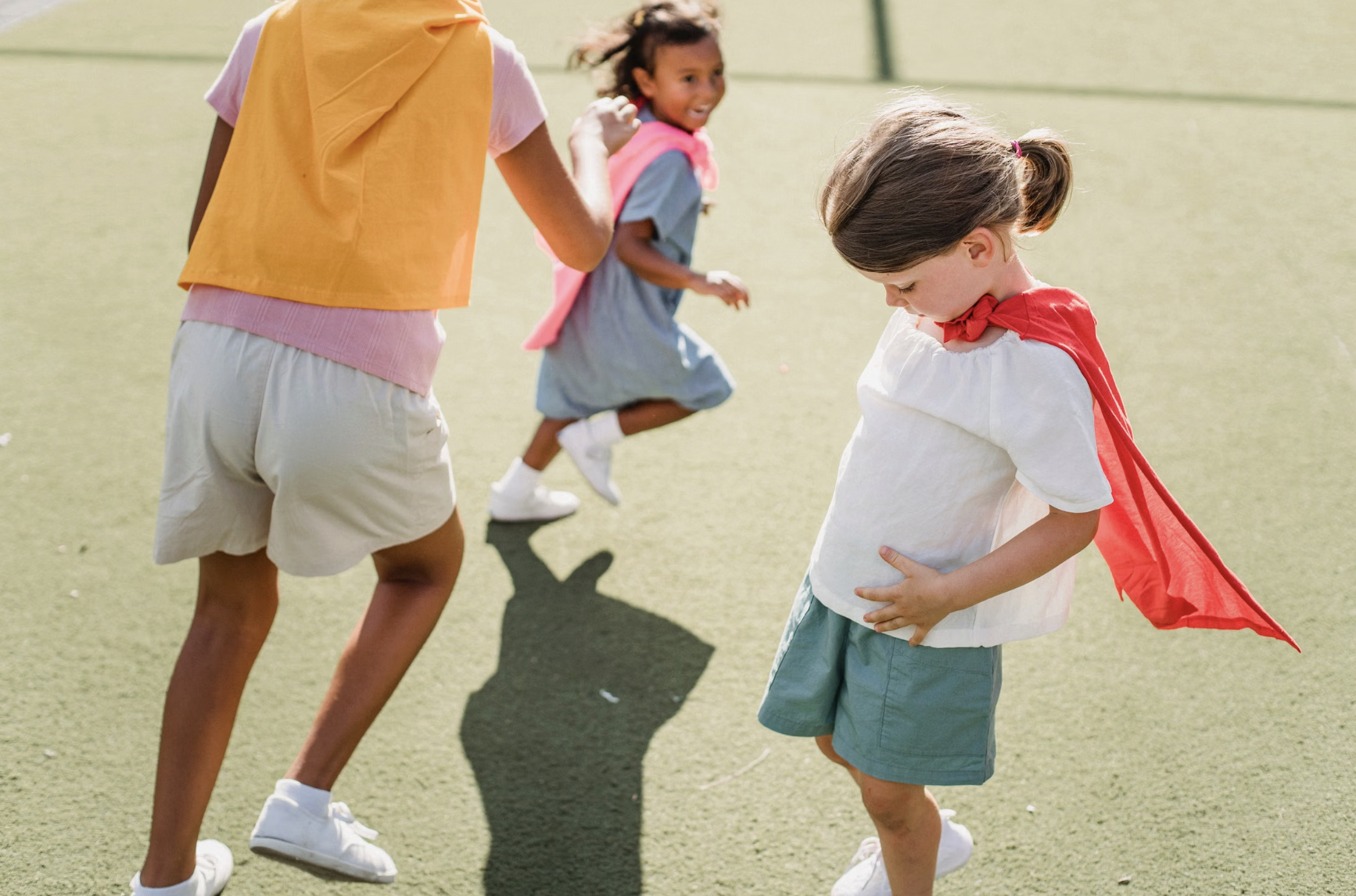
Imagine a 7-year-old child who wants to play with classmates at recess but spends most of the time standing alone near the playground. The child watches other children play tag and soccer, but does not know how to join the group.
The BCBA creates a social skills goal focused on peer interaction. During ABA sessions, the child practices simple skills such as approaching a peer, making eye contact, saying, "Can I play too?" and waiting for a response. Therapists use role-playing, video modeling, and structured practice to build confidence before trying the skill in a real school setting.
Once the child feels comfortable, the therapist works with parents and school staff to support practice during recess. At first, the child may only join a game for a few minutes. Over time, those interactions become longer and more natural. The child learns how to take turns, respond to peers, handle losing a game, and start conversations independently.
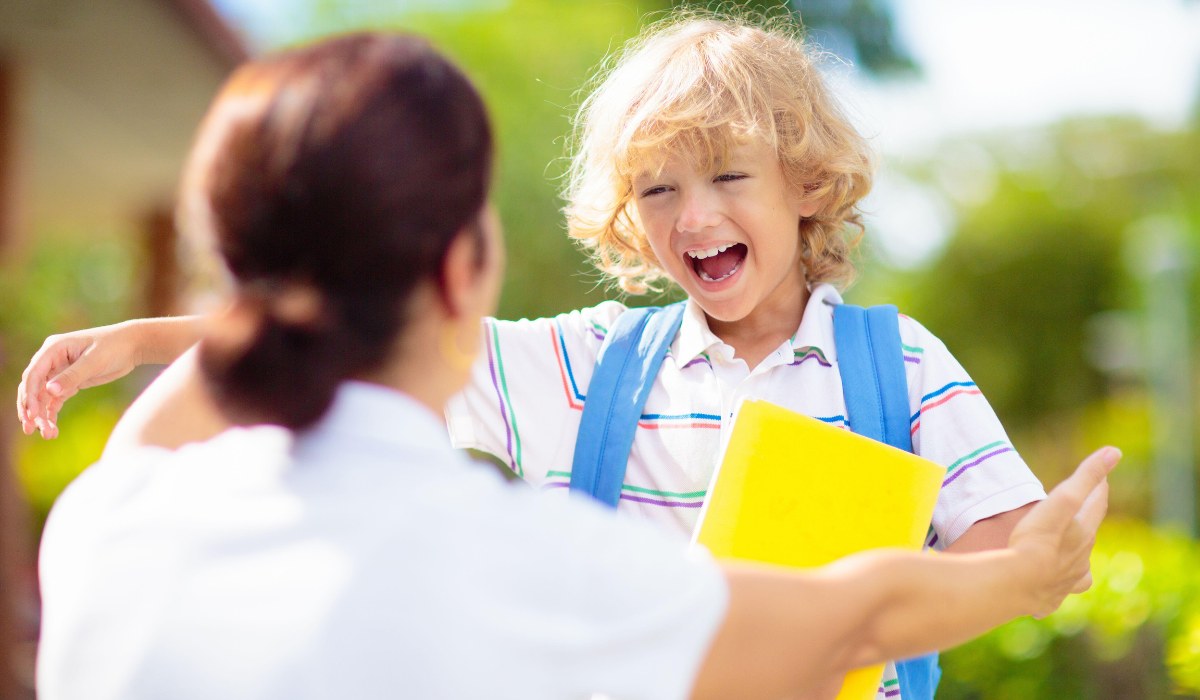
For the family, the success is not just measured in data. It is seeing their child come home and talk about a friend they played with at recess for the first time.
Help Your Child Build Social Skills and Get Started with Grateful Care
- Call or email our intake team
- Complete an insurance benefit check
- Schedule an assessment with a BCBA
- Receive a custom plan with social and school goals
- Begin in-home ABA sessions
- Add community outings as your child progresses
From day one, families receive:
- A dedicated BCBA who designs the plan
- Trained RBTs for daily sessions
- A clear list of social skill goals
- School-readiness milestones to track
- Coordination with siblings, schools, and caregivers as needed

FAQs
1. At what age should ABA social skills work begin?
Social skills work can start in the toddler years. The strategies shift as a child grows, but the foundation begins early.
2. Will my child practice in public during therapy?
Yes, when appropriate. Community-based sessions help children apply their skills outside the home.
3. Can ABA prepare my child for kindergarten?
Yes. Many families begin school readiness ABA twelve to eighteen months before kindergarten starts.
4. Do you work with my child's school?
Yes. We coordinate with teachers, counselors, and IEP teams to align goals between home and school.
5. Can ABA help with friendship and peer connection?
Yes. Peer-focused work is one of the core areas we address for school-age children.
6. How long does it take to see social progress?
Most families notice small changes within eight to twelve weeks of consistent therapy. Larger social gains build over months and years. Reach out today and let us build a plan focused on the social and community skills your child needs most. Email: info@gratefulcareaba.com, call: (317) 572-5315, or fill out the details on our contact page, and we’ll call you back.
Apply Now
At Grateful Care ABA, we are proud to offer the best ABA therapy services in Indiana. Armed with a team of skilled Board Certified Behavior Analysts (BCBAs), we bring years of experience to the table, making us the preferred provider for ABA therapy in our community.
Understanding that every child with ASD is unique and has unique goals and objectives, our ABA therapists carefully craft personalized ABA therapy plans that are tailored to meet the specific needs of each child. Whether your child needs help with reducing maladaptive behaviors, your child needs IEP support at school, you want your child to be self-sufficient at home, or something else, we use ABA therapy to work diligently toward specific goals. Together we can make a difference in your child’s life!
Contact us today to connect with an ABA therapist and learn more about ABA therapy solutions for your child.












.jpg)
.jpg)





.jpg)
.jpg)




.jpg)
.jpg)
.jpg)
.jpg)
.jpg)
.jpg)
.jpg)
.jpg)
.jpg)
.jpg)