
Getting Ready for ABA Therapy, in Atlanta, Georgia: A Parent's Guide
Learn how to prepare your child, set routines, and start ABA therapy with confidence with support from Grateful Care ABA: (317) 572-5315.

Key Points:
- Preparing for ABA therapy helps your child feel safe, comfortable, and ready to learn.
- Simple routines, visual schedules, and open communication can make sessions smoother for the whole family.
- Grateful Care ABA supports families across Atlanta with ABA guidance before, during, and after therapy begins.

If you're preparing for your child's first ABA therapy session, you're probably feeling a lot. Excited. Nervous. Hopeful. A little scared. Maybe wondering if you forgot something important.
Take a breath. You're not alone, and you're already doing the hard work just by being here and wanting to prepare for ABA Therapy in Atlanta Georgia.
Why Preparation Matters
ABA therapy works best when your child feels safe and ready. A bit of planning up front saves stress later. Think of it like packing for a road trip. The right prep means fewer surprises along the way.
Families exploring ABA therapy in Atlanta, Georgia, often ask the same question: "Where do I even start?” Right here at Grateful Care ABA.
Contact us to help with the ABA process before, during and after sessions. Before sessions start, you can also try:
Helping Your Child Feel Safe
Kids pick up on big changes fast. Easing them in slowly makes a huge difference.
Introduce the therapist early
- Ask for a photo of their therapist before day one
- Put it on the fridge
- Talk about them by name: "Miss Jenna is coming on Tuesday!"
Use a visual schedule
- Create a simple picture chart of the day
- Show when therapy starts and ends
- Let your child see what's coming next
Try teling stories
Write a short, positive story you can read together. Something like: "Today, my friend Miss Jenna is coming over. We will play games. We will learn new things. When we are done, I get to pick my favorite activity."
Keep comfort items on-hand
- Favorite stuffed animal
- A soft blanket
- Chewy necklace or fidget toy
- Anything that helps them feel grounded

Set Up Your Home
If you're doing in-home sessions, your space matters.
Pick a quiet spot
Find a place that's well-lit and free from distractions. The kitchen table works. So does a corner of the living room. The goal is consistency.
Turn off screens 30 minutes before
This is a big one. Why? Because kids who go from iPad straight to therapy often see the therapist as "the person who took my screen away." Give their brain time to reset.
Keep family routines steady
- Stick to regular meal times
- Keep nap schedules consistent
- Maintain bedtime rituals
When everything else stays the same, therapy feels like one small change, not a huge shift.
Prepare Yourself
Here's the truth: your child reads your face.
If you're tense, they'll feel it. If you're calm, they'll mirror that calm.
Before the session starts:
- Take five minutes for yourself
- Drink your coffee
- Take a few deep breaths
- Remind yourself that this is a step forward
Make sure your child is fed and rested
A hungry, tired kid won't engage well. A good snack and a full night's sleep can make or break a session. Simple, but it matters.

Build a Partnership With Your BCBA
Your Board Certified Behavior Analyst (BCBA) is your teammate. Treat them like one.
Share everything from day one:
- What makes your child laugh
- What triggers meltdowns
- Foods they love or refuse
- Songs that calm them down
- Your goals for therapy
The more you share, the better they can help.
Write down your questions ahead of time
In the moment, things slip your mind. Some good ones to ask:
- How will you measure progress?
- What does a typical session look like?
- How can we reinforce skills at home?
- What should we do during tough moments?
When choosing ABA services Atlanta, Georgia families trust, asking these questions helps you find the right fit.
What to Expect From the Grateful Care Process in Atlanta
Feeling overwhelmed by insurance, paperwork, and unfamiliar terms? You're not alone. Most parents say the admin side feels just as hard as the emotional side.
That's why we built a process to take that weight off your shoulders.
Here's how it works:
- Start with a conversation: Our intake specialists answer every question. No matter how small.
- Insurance made simple: We help you figure out eligibility and coverage. No jargon.
- Personalized assessment: We look at who your child is, what they're working on, and where they want to go.
- Match with a therapist: A certified ABA therapist is paired with your family.
- Custom treatment plan: Sessions are built around your routine and your child's needs.
Whether you're starting fresh or switching providers, Grateful Care makes getting ABA therapy that Georgia families deserve feel less like an obstacle course.
Contact us today to get started with ABA therapy in Atlanta.
FAQs
1. How long does it take to start ABA therapy?
Timing depends on insurance approval and assessment scheduling. Most families begin within a few weeks of reaching out. Our team works to move things along as fast as possible.
2. Does insurance cover ABA therapy in Georgia?
Most major insurance plans in Georgia cover ABA therapy for children with an autism diagnosis. Our intake specialists can verify your specific coverage and walk you through what's included.
3. What age should my child start ABA therapy?
Earlier is often better, but ABA can help at any age. Many kids start between ages 2 and 6, though older children and teens also benefit from autism treatment Atlanta families recommend.
4. How many hours of therapy will my child need?
This depends on your child's needs and goals. Some kids do well with 10 to 15 hours a week. Others benefit from more intensive schedules. Your BCBA will recommend what fits best after the assessment.
5. Will I be involved in sessions?
Yes. Parent involvement is a big part of success. Your BCBA will share strategies you can use throughout the day so progress doesn't stop when the session ends.
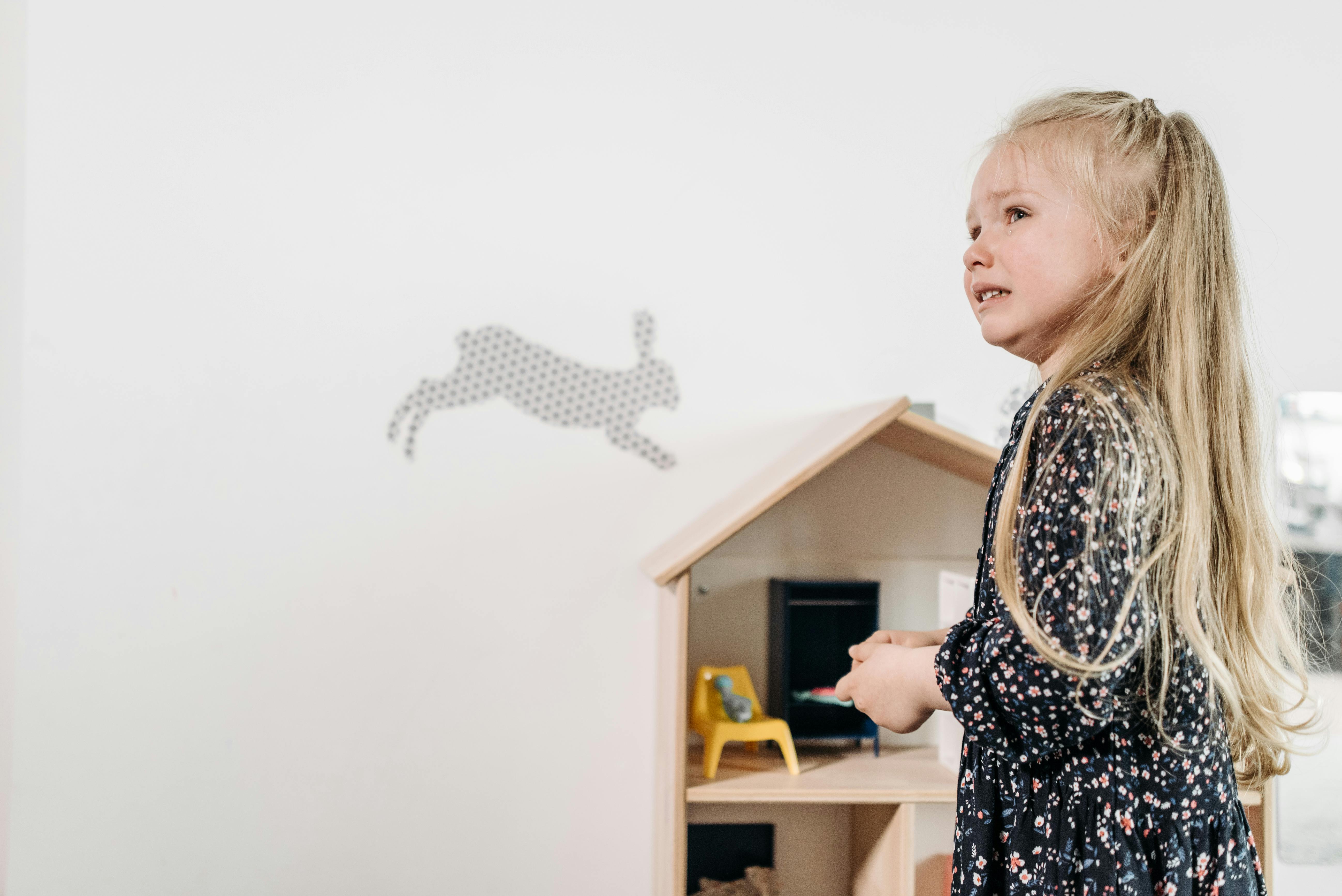
6. What if my child cries during the first session?
That's normal. Some kids dive right in. Others need three or four sessions to warm up. Both responses are okay. Your therapist will go at your child's pace.
7. Can ABA therapy happen at home, at a center, or both?
Both options are available. In-home sessions work well for younger kids and skills tied to daily routines. Center-based sessions help with social skills and structured learning. Many families do a mix.
8. What's the difference between a BCBA and an RBT?
A BCBA (Board Certified Behavior Analyst) designs the treatment plan and oversees progress. An RBT (Registered Behavior Technician) carries out the daily sessions under the BCBA's guidance. Both are trained professionals who work together for your child.
Apply Now
At Grateful Care ABA, we are proud to offer the best ABA therapy services in Indiana. Armed with a team of skilled Board Certified Behavior Analysts (BCBAs), we bring years of experience to the table, making us the preferred provider for ABA therapy in our community.
Understanding that every child with ASD is unique and has unique goals and objectives, our ABA therapists carefully craft personalized ABA therapy plans that are tailored to meet the specific needs of each child. Whether your child needs help with reducing maladaptive behaviors, your child needs IEP support at school, you want your child to be self-sufficient at home, or something else, we use ABA therapy to work diligently toward specific goals. Together we can make a difference in your child’s life!
Contact us today to connect with an ABA therapist and learn more about ABA therapy solutions for your child.

















.jpg)
.jpg)








.jpg)
.jpg)





.jpg)
.jpg)
.jpg)

.jpg)
.jpg)
.jpg)
.jpg)
.jpg)
.jpg)
.jpg)












Contact