
ABA Therapy in Columbus, Indiana: How to Choose the Right Setting for Your Child
ABA therapy in Columbus, Indiana. See how in-home, clinic, and school-based sessions with Grateful Care ABA can fit your child's needs.

Quick Summary
- Grateful Care ABA offers therapy in the home, clinic, school, and group settings.
- The right setting depends on your child's needs, not a fixed rule.
- Explore our ABA therapy services to see what fits your family.

Parents searching for ABA therapy in Columbus, Indiana often ask the same question early on. Which setting works best for my child? The honest answer depends on your child, not a single formula. At Grateful Care ABA, we offer several settings and help you choose the one that fits your family right now.
This guide walks through each setting we offer, how skills move between them, and what families notice once they start with us.
Why Setting Matters in ABA Therapy
Every child learns differently. Some children focus best in a quiet clinic room. Others thrive at home, surrounded by familiar toys and routines. Many benefit from support inside their own classroom.
Choosing autism therapy in Columbus, IN, means finding a provider families trust who adjusts to your child, not the other way around. Our team builds a plan first, then chooses the setting that supports it best.
In-Home ABA Therapy
In-home sessions bring therapy into your child's everyday environment. Our therapists work on skills using your child's own toys, routines, and family members.
This setting often suits younger children or children who need extra comfort during early sessions. Skills taught in this setting include:
- Following simple instructions during daily routines
- Requesting items or help using words or gestures
- Managing transitions between activities at home
- Building tolerance for new textures, sounds, or foods
A child working on asking for a snack may practice this skill during real mealtimes at home. The therapist prompts the request, then fades support as the child gains independence. This repetition inside a natural setting helps the skill stick.
Clinic-Based ABA Therapy
Clinic sessions take place in a structured, distraction-reduced space. This setting works well for children who need focused attention or intensive skill building.
Common skills addressed in our clinic include:
- Sitting attention and task completion
- Communication through speech, gestures, or devices
- Social interaction with peers and therapists
- Early academic readiness skills
A child learning to take turns during play might practice this skill with a therapist in the clinic first. Once the child shows consistency, our team introduces the skill in group settings, where real social pressure exists.
School-Based ABA Therapy
School-based support helps children apply skills inside the classroom, where much of their day happens. Our team works alongside teachers to reinforce goals without disrupting the school routine.
This setting often supports:
- Following classroom instructions and routines
- Staying on task during group lessons
- Managing peer interactions and shared materials
- Handling transitions between subjects or activities
A child who learns to raise their hand during clinic sessions can practice the same skill in the classroom with school-based support. Our therapist coaches the behavior in real time, so the skill transfers where it matters most.
Group ABA Therapy
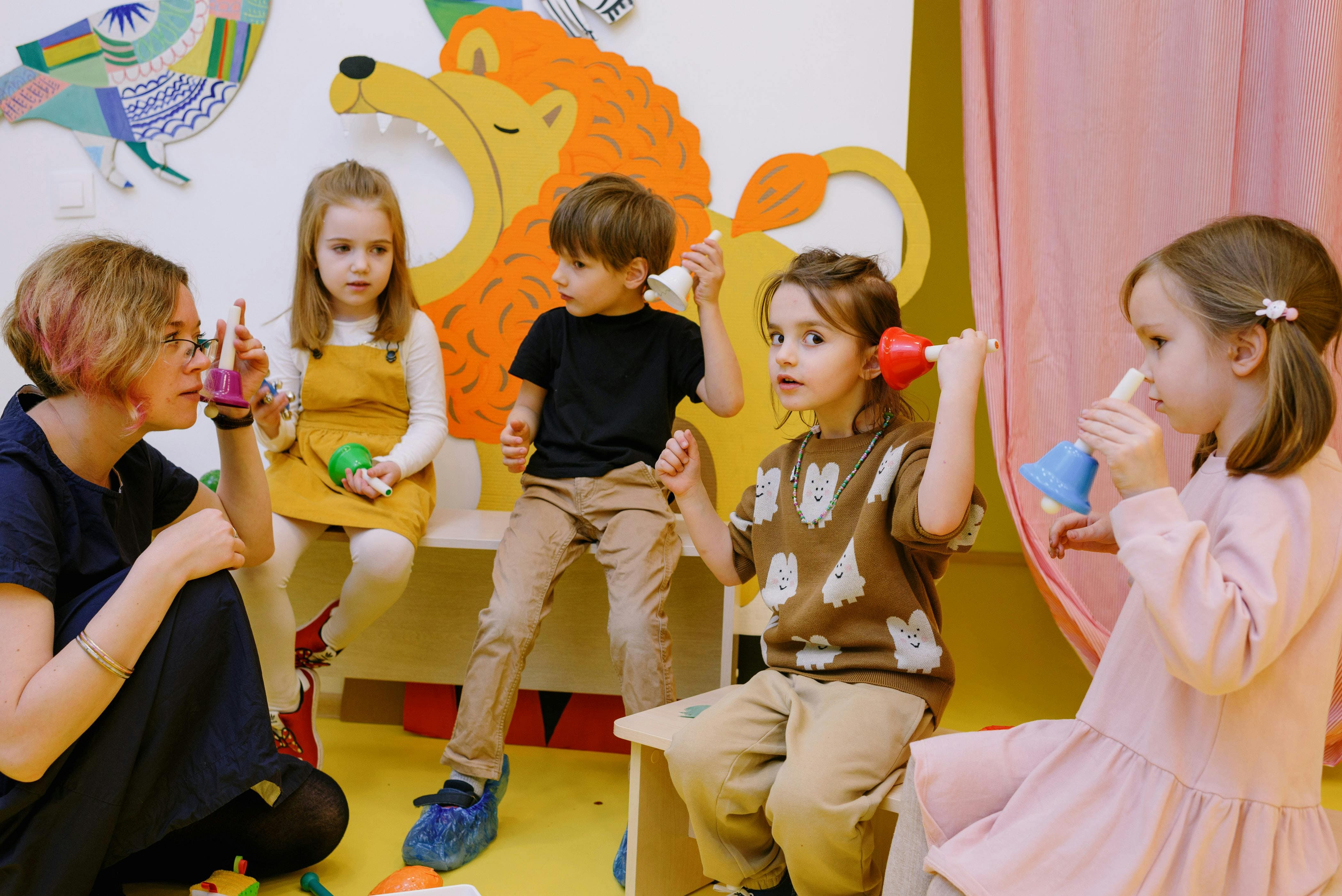
Group sessions bring several children together to practice social and communication skills. This setting helps children apply what they learn in one-on-one sessions within a more natural peer environment.
Skills often addressed in group therapy include:
- Sharing attention and turn-taking
- Following group instructions
- Initiating and responding to peers
- Managing frustration during shared activities
A child who mastered turn-taking in the clinic might join a small group to practice the same skill during a game. This step helps skills generalize beyond one-on-one support.

How Settings Work Together: A Hybrid Approach to ABA Therapy in Columbus
Many families in Columbus benefit from a mix of settings, often called a hybrid approach. Here's what that can look like in practice.
1. In-home sessions: A child starts here to build early communication skills. Home feels safe and familiar, which makes it the right place to begin.
2. Clinic sessions: As confidence grows, our team introduces clinic sessions to strengthen focus and structured learning.
3. School-based support: Once skills stabilize, this helps the child use those same skills during the school day.
4. Group sessions: These reinforce social skills with peers.
What Generalization Looks Like for One Skill
Here's how a single skill, requesting a break, moves through each setting:
- In-home: The therapist teaches a simple phrase during a familiar task, like puzzles.
- Clinic: Once the child uses the phrase consistently at home, our team practices the same request with a new therapist during less familiar tasks. The child learns the skill still works outside the home.
- School: Our team coaches the teacher to prompt the same phrase during a school activity, so the child can ask for a break instead of becoming overwhelmed.
- Group sessions: The child practices the phrase around peers, building confidence in a social setting.
By the end of this process, the child can request a break at home, in the clinic, at school, and around other children, without needing the same person or place to trigger the skill.
This layered approach helps skills generalize across settings instead of staying limited to one environment. Our team monitors progress closely and adjusts the plan as your child grows.

What Families Say About Us
Parents often describe how the setting shift felt seamless once we explained the plan.
"Our daughter started at home, and once she felt comfortable, the clinic sessions built on everything we had already worked on."
"Seeing her therapist coach the teacher during school hours gave us peace of mind we did not expect."
"Group sessions helped our son practice sharing with other kids his age. That was something we could not recreate at home."
These stories reflect why we design plans around real transitions, not fixed schedules. In our experience, flexibility leads to stronger outcomes.
Understanding ABA Therapy Cost and Getting Started
ABA therapy cost in Columbus, IN depends on several factors, including weekly session hours, insurance coverage, and which settings your plan includes. Our team walks through these details before therapy begins, so costs stay clear from the start.
Getting started with ABA Columbus with our team follows a simple path.
- A consultation to discuss your child and your goals
- An assessment to guide your child's individualized plan
- A recommendation on which settings fit your child best
- Regular sessions scheduled around your family
- Ongoing updates as your child's plan evolves
You can explore our resource library for more guidance on insurance and next steps. Learn more about our broader ABA therapy work across Indiana and how our team supports families statewide.
Support Beyond Columbus
Our team welcomes families searching for ABA therapy near me in Columbus, IN, across nearby communities, including Terre Haute, Greenwood, and Richmond. Wherever your family is located, our approach stays the same, focused on your child's individual needs.
Pediatricians and professionals who want to refer a patient to our team can reach out directly. You can also visit our provider page for more information on how we collaborate with your existing care team.
Clinicians interested in joining our team can learn more about openings across our Indiana locations.

Frequently Asked Questions
1. Which setting is best for my child?
It depends on your child's needs. Our team recommends a setting after assessment, and plans often combine more than one.
2. Can my child move between settings over time?
Yes. Many children shift settings as skills grow, and our team adjusts the plan to match.
3. How do skills transfer between home, clinic, and school?
Our therapists coordinate across settings, so skills practiced in one environment carry over into the next.
4. Does insurance cover autism services Columbus, Indiana families need?
Many plans offer coverage. Our team verifies your specific benefits before sessions begin.
5. What age groups do you support?
We work with children across a wide age range, from early childhood through adolescence.
6. How involved will I be in my child's plan?
Very involved. We keep you updated regularly and welcome your input throughout treatment.

A Note to Columbus Families
Every child's path looks different, and finding the right setting takes time and guidance. If you are ready to talk through options for your child, our team is here to help.
Call us at (317) 572-5315, email info@gratefulcareaba.com, or fill out our contact form on our website. We will call you back to talk through what fits your family best.
Apply Now
At Grateful Care ABA, we are proud to offer the best ABA therapy services in Indiana. Armed with a team of skilled Board Certified Behavior Analysts (BCBAs), we bring years of experience to the table, making us the preferred provider for ABA therapy in our community.
Understanding that every child with ASD is unique and has unique goals and objectives, our ABA therapists carefully craft personalized ABA therapy plans that are tailored to meet the specific needs of each child. Whether your child needs help with reducing maladaptive behaviors, your child needs IEP support at school, you want your child to be self-sufficient at home, or something else, we use ABA therapy to work diligently toward specific goals. Together we can make a difference in your child’s life!
Contact us today to connect with an ABA therapist and learn more about ABA therapy solutions for your child.


































































Contact